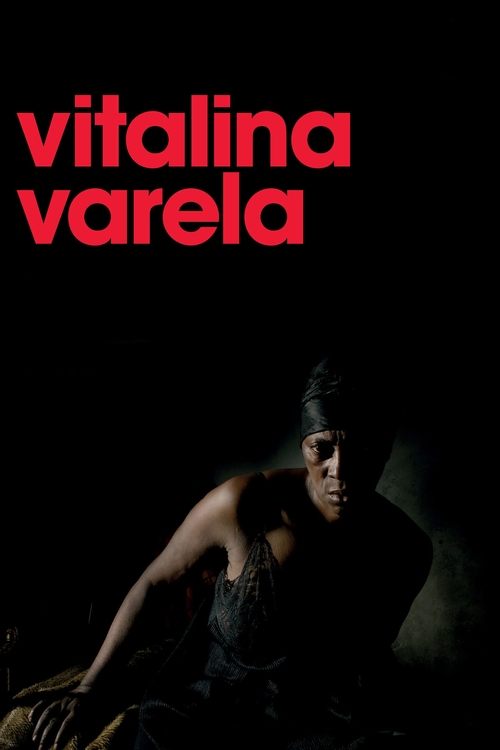
Vitalina Varela
2019
No user ratings available yet
Diversity score: 6.8 out of 10

2020
Director
Christiaan Olwagen
Runtime
95 minutes
Average Rating
No ratings yetSynopsis
Based on a true story: South Africa, mid 70s. When her husband becomes too ill to work, Poppie is deemed by the law to be an illegal resident in her own country. Based on the Elsa Joubert novel regarded as one of the best African novels of the century.
Overall Score
Good
Category Breakdown
LGBTQ+ Representation
The film focuses strictly on the domestic and political realities of the Apartheid era. It does not feature LGBTQ+ characters or non-cisnormative identities.
Gender Representation
Poppie Nongena serves as the narrative's primary driver, resisting both racialized state oppression and patriarchal structures. The film highlights her intellect and resilience rather than portraying her as a passive victim.
Racial & Ethnic Diversity
The production centers a Black South African experience that was historically suppressed. It provides a profound exploration of racial identity by portraying the systemic dehumanization of Black citizens.
Religious & Cultural Diversity
The narrative offers a sophisticated critique of Western-aligned institutional power. It prioritizes the morality of the oppressed over the corrupt legality of the 1970s state structures.
Disability Representation
Physical frailty is addressed through the husband's illness. This vulnerability serves as a catalyst for the protagonist's legal crisis and illustrates the intersection of health and systemic poverty.
Strengths
Areas for Improvement
AI Analysis
Poppie Nongena is a powerful work of historical reclamation that centers the agency of a Black woman against the backdrop of Apartheid South Africa. It excels by prioritizing marginalized histories and deconstructing the authority of oppressive state institutions. The film's strength lies in its deep engagement with racial and cultural identity. By focusing on the lived realities of the Black majority, it challenges conventional historical narratives and provides a necessary critique of systemic injustice. However, the film's narrow historical focus results in a lack of LGBTQ+ representation. While this reflects the specific era's urgency, it limits the scope of identity exploration within the narrative.
2019
2017

2014

2021
2010

2017
2021

2004

2018

2022

2013

1990
No reviews yet. Be the first to share your thoughts on this movie!
Use the rating form above to leave a star rating and optional review.