
Hans Staden
1999
No user ratings available yet
Representation score: 3.0 out of 10
Representation Score
Fair
1971
Not RatedDirector
Nelson Pereira dos Santos
Runtime
84 minutes
Average Rating
No ratings yetNew Showbiz Analysis
Nelson Pereira dos Santos uses this film to challenge colonial narratives through the lens of Cinema Novo. By focusing on the Tupinambá experience, the film shifts the power dynamic away from the European explorer. The work's strength lies in its post-colonial critique, presenting indigenous customs as a structured social order rather than mere savagery. While the film excels in racial and cultural subversion, it lacks representation in other areas. The narrative remains tied to a traditional framework focused on the male protagonist’s journey.
Category Breakdown
The film focuses on survival and cultural interaction without any clear presence of LGBTQ+ identities or queer themes.
An indigenous woman plays a key role in guiding the protagonist, yet the story mainly centers on the male protagonist’s journey.
The film challenges the 'explorer' cliché by showing the white protagonist being completely subordinate to the Tupinambá, emphasizing indigenous leadership over Eurocentric dominance.
It deconstructs the 'civilization vs. nature' binary by presenting ritualistic cannibalism as a structured cultural practice, critiquing the perceived superiority of Western institutions.
There are no prominent depictions of disabilities that play a central role in the narrative.
Present on Screen
Limited or Absent
Official Synopsis
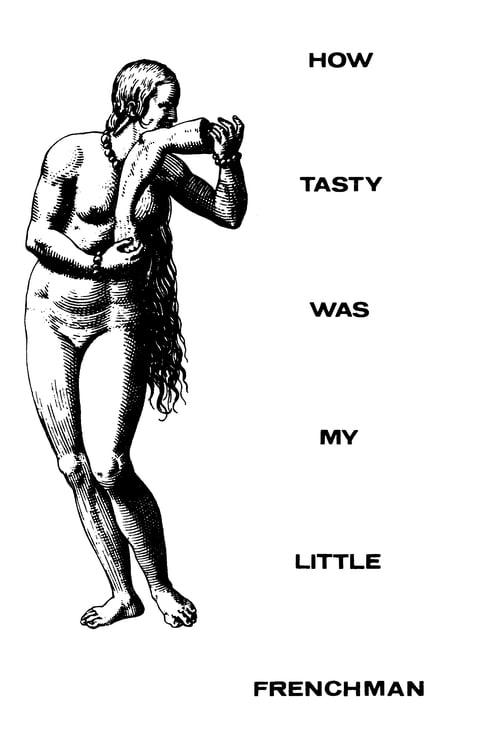
In 1594 Brazil, a frenchman becomes a prisoner of the Tupinambás. While waiting to be executed, the foreigner learns the habits of the indigenous people and joins a woman who tries to help him escape.
1999
1987

2001

1964

2000

1986

2017

2005
No reviews yet. Be the first to share your thoughts on this movie!
Use the rating form above to leave a star rating and optional review.