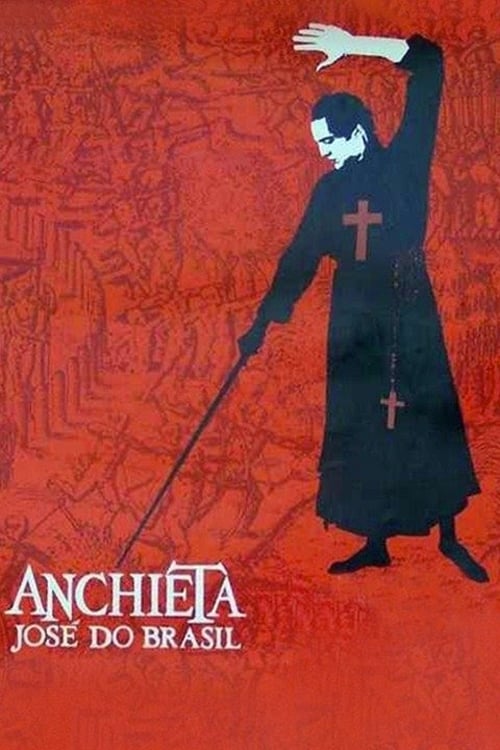
Anchieta, José do Brasil
1977
No user ratings available yet
Representation score: 1.9 out of 10

Representation Score
Good
2000
Director
Lúcia Murat
Runtime
104 minutes
Average Rating
No ratings yetNew Showbiz Analysis
Lúcia Murat’s film serves as a sophisticated historical critique that challenges the traditional colonialist perspective. Its primary strength lies in its ability to center the ability to act of indigenous populations rather than treating them as mere background elements. By presenting the Guaicuru Indians as a complex and capable group, the film moves beyond simplistic 'discovery' narratives. However, the film is limited by its narrow focus on masculine dynamics and colonial conflict. It lacks representation for LGBTQ+ identities and does not address disability, leaving those narrative dimensions unexplored.
Category Breakdown
The film does not include explicit representations of LGBTQ+ identities or relationships outside of traditional heterosexual norms. The narrative focuses on the colonial encounter and the relationship between the cartographer and the scout.
The story revolves around a traditional masculine dynamic between an intellectual and a rugged scout. However, it potentially challenges typical heroic narratives by examining the moral instability of the male protagonist.
The film highlights the conflict between Portuguese colonists and Guaicuru Indians, disrupting Eurocentric stereotypes by portraying the indigenous people as sophisticated and capable.
The narrative critiques colonial institutions and the morality of Western expansion. It challenges the perceived superiority of Western civilization by emphasizing the disruptive nature of imperial structures.
There are no visible or mentioned depictions of physical or neurodivergent disabilities within the film.
Present on Screen
Limited or Absent
Official Synopsis
Diogo is a cartographer and artist who is encharged to set the new frontiers of Portuguese Colonies in South America. When he reaches the center of the continent, finds apparently nothing but wilderness and ‘uncivilized’ natives with strange ways of living. But Captain Pedro, the rude scout who guides him through the jungle, involves Diogo in an involuntary act of violence which will tie him in an unusual way to that far away country. At the same time, the Portuguese colonists are trying to make peace with Guaicuru Indians (one of the few natives with horse-riding abilities). But peace doesn’t ever have a low price.
1977

1964
1971
1991
1991
1987
1991

1992
No reviews yet. Be the first to share your thoughts on this movie!
Use the rating form above to leave a star rating and optional review.