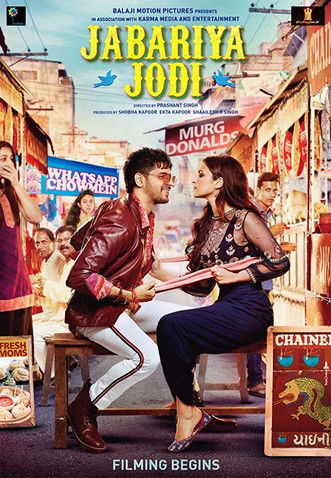
Jabariya Jodi
2019
No user ratings available yet
Representation score: 2.1 out of 10

Representation Score
Limited
2015
Director
Sanjay Jadhav
Runtime
130 minutes
Average Rating
No ratings yetNew Showbiz Analysis
Tu Hi Re is a conventional romantic drama that emphasizes the preservation of traditional institutions like marriage and family. The narrative structure adheres to a classic moral framework without questioning social hierarchies. While the film offers a localized perspective on Marathi identity, it does not engage with broader identity politics. The central conflict is driven by male-dominated professional and political pressures, which limits opportunities for systemic challenges. Overall, the film explores themes of loyalty and sacrifice within a traditional social framework.
Category Breakdown
The film focuses solely on heterosexual relationships and does not include any LGBTQ+ identities or perspectives.
Nandini has strong personal beliefs about love marriages, while the plot is driven by conflicts centered around Siddharth's career and past relationships.
As a regional Marathi film, the cast and setting are culturally uniform, providing localized representation of specific regional identities without blending different backgrounds.
The story upholds traditional social values and the importance of the family unit, positioning it as a stabilizing force against external political disruptions.
There are no visible or invisible disabilities that play a central role in the character arcs or the progression of the plot.
Present on Screen
Limited or Absent
Official Synopsis
Nandini(Sai Tamhankar) is someone who is a staunch believer in love marriages but following her father's orders, she gets married to Siddharth (Swapnil Joshi) who is coping with heartbreak. Eight years later, Siddharth and Nandini are leading happy lives in Mumbai with their daughter. Kamlakar Bhanushali (Girish Oak), a politician who has some connection with Siddharth's past, comes to Siddharth's workplace and makes a proposal to him. He tells Siddharth that he's ready to fund Siddharth's work plant with Rs 25 crore provided he gets rid of Nandini. Turns out, Siddharth used to be in a relationship with Bhanushali's daughter Bhairavi (Tejaswini Pandit).How this situation resolves forms the crux of the story.
2019

2003
2022
2006

2021
1983

1996

2002
No reviews yet. Be the first to share your thoughts on this movie!
Use the rating form above to leave a star rating and optional review.