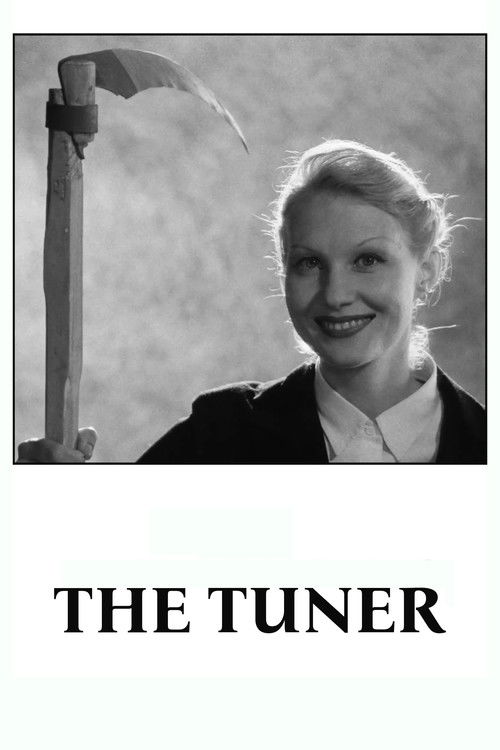
The Tuner
2005
No user ratings available yet
Representation score: 6.5 out of 10
Representation Score
Good
2001
Director
Roman Kachanov
Runtime
80 minutes
Average Rating
No ratings yetNew Showbiz Analysis
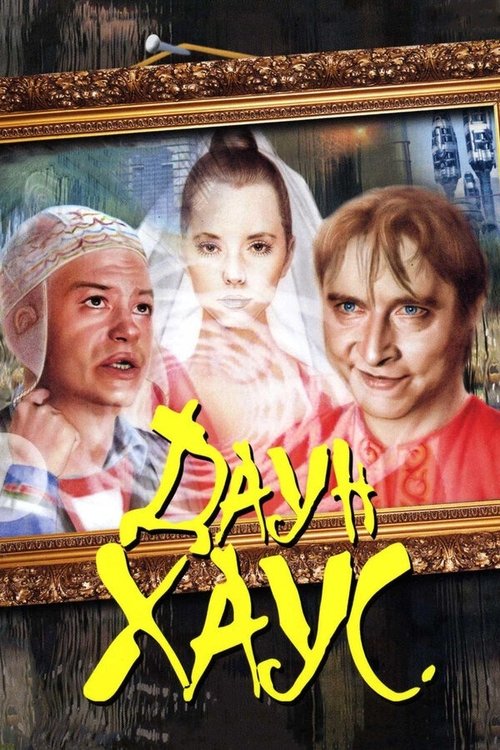
Down House functions as a postmodern deconstruction of Dostoevsky’s work, using surrealism to challenge established literary and social hierarchies. It succeeds most when it subverts traditional roles, particularly through its portrayal of mental health and women's ability to drive the story. However, the film remains culturally homogeneous and lacks explicit representation of LGBTQ+ identities. While it disrupts social structures through tone, it does not provide clear, diverse character identities to anchor these themes.
Category Breakdown
The film explores intense, obsessive interpersonal dynamics rooted in its literary origins. While the surrealist tone hints at a departure from typical heterosexual relationships, the film does not clearly depict queer identities.
Nastasya Filippovna and other female characters act as central, disruptive forces in the story. The film avoids passive archetypes, instead using female emotional complexity to drive the plot's instability.
As a localized adaptation of Russian literature, the cast remains relatively homogeneous. The narrative does not prioritize racial or ethnic blending as a primary driver of the story.
The film excels at critiquing traditional institutions by transposing historical drama into a surreal setting. It disrupts classical ideals by prioritizing moral relativism and psychological fragmentation.
The protagonist's history in a psychiatric clinic allows for a meaningful exploration of neurodivergence. His altered perception of reality dictates the film's surrealist logic rather than serving as a mere plot device.
Present on Screen
Limited or Absent
Official Synopsis
Programmer Prince Myshkin returns to his historical homeland from Switzerland, where he was undergoing treatment in a psychiatric clinic. On the bus, the prince meets businessman Parfen Rogozhin, who is suffering from lovesickness for Nastasya Filippovna.
2005

2003

2000
2011

2014

2007
2002

2023
No reviews yet. Be the first to share your thoughts on this movie!
Use the rating form above to leave a star rating and optional review.