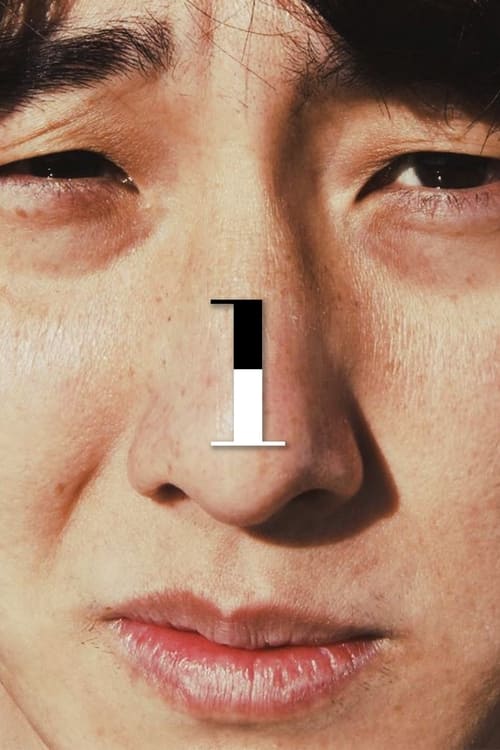
1
2021
No user ratings available yet
Representation score: 0.0 out of 10

Representation Score
Minimal
2004
R21Director
Tōru Kamei
Runtime
81 minutes
Average Rating
No ratings yetNew Showbiz Analysis
The film opens in a sterile, high-contrast white room, where geometric lines and pale skin establish a clinical, surgical aesthetic before dialogue begins. This visual language sells existential dread rather than mystery, framing the characters not as detectives but as lab rats trapped in a mechanical puzzle. Yuna Mizumoto’s soft, youthful presence contrasts with the cold environment, granting her the status of an innocent victim, while Hiroshi Fujita is framed in tighter, more restrictive shots that emphasize his rigidity. The camera lingers on Mizumoto’s distress, treating her emotional confusion as the film’s primary moral hook, whereas Fujita’s logical detachment is presented as a structural failure to connect with reality. The sold meaning is the fragility of the self under external pressure, yet the film’s internal logic remains ambiguous. The "question" is not a plot point but a visual motif; characters are constantly framed as if being asked something, even in silence. The system itself is the villain, and it never pays a price. The architect of the puzzle, whether a person or the environment, remains intact, while the characters are left in suspended animation. The ending rewards the observer’s confusion over narrative closure, refusing to punish or reward the subjects. In a 2004 Japanese drama context, this minimalist approach departs from traditional thriller conventions, prioritizing atmosphere over resolution. The film’s argument is that the search for meaning is a secular, psychological process devoid of external salvation. The last image echoes the opening sterility, confirming that the characters are trapped in the logic of the question itself. The camera loves the emptiness, finding beauty in the inescapable, and the final frame settles on the idea that survival, not solution, is the only possible win.
Category Breakdown
No romantic or sexual intimacy appears among the three leads. The characters remain isolated subjects within a psychological puzzle, with no coded identity or same-sex pairing forced by the narrative structure.
Yuna Mizumoto anchors the emotional weight, while Hiroshi Fujita embodies rigid, analytical authority. The dynamic contrasts feminine vulnerability with masculine logic, yet neither gender is mocked or celebrated as a hierarchy; both are equally trapped in the sterile environment.
The cast consists entirely of Japanese actors, reflecting the film’s specific cultural context. No non-white characters appear, and the sterile, white aesthetic functions as a neutral void rather than a racial statement, leaving diversity absent from the on-screen population.
Traditional institutions like family, church, or nation are entirely absent, replaced by an abstract, psychological prison. The film rejects conventional narrative closure and social norms, treating the "system" of the question as an inescapable, amoral force that remains intact while the characters suffer.
No physical or mental disability is depicted as a character trait or identity. The psychological strain experienced by the leads is a temporary state induced by the plot’s mystery, not a representation of ongoing disabled life or impairment.
Present on Screen
Limited or Absent
2021

2000

2007

1998
1997
2006
2014

2004
No reviews yet. Be the first to share your thoughts on this movie!
Use the rating form above to leave a star rating and optional review.