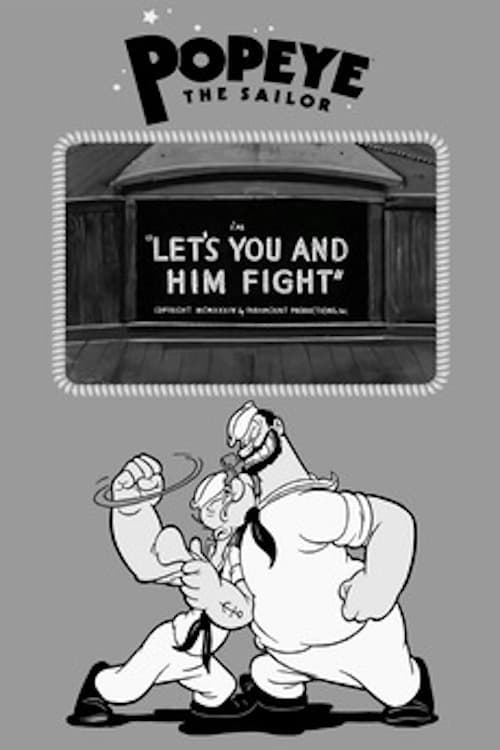
Let's You and Him Fight
1934
No user ratings available yet
Representation score: 0.4 out of 10
Representation Score
Minimal
1934
Director
Dave Fleischer
Runtime
7 minutes
Average Rating
No ratings yetNew Showbiz Analysis
This 1934 Fleischer short is a classic example of its time, relying heavily on established slapstick clichés and traditional social hierarchies. The narrative centers on a narrow set of archetypes that reinforce the status quo without challenging it. While the animation provides a historical perspective on early 1930s comedic styles, it doesn't intentionally represent diverse identities. The characters serve specific comedic functions within a limited demographic context. Overall, the film emphasizes physical conflict and conventional gender roles, offering minimal cultural or social diversity.
Category Breakdown
The film doesn't show any LGBTQ identities or non-traditional gender expressions. All character relationships are based on traditional heterosexual and cisgender norms.
Olive Oyl is shown in a supporting role within the diner. The story is driven by male-dominated physical confrontations and Popeye's strength.
The cast is mostly uniform, reflecting the demographics typical of 1930s American animation. There are no characters representing non-white or non-Anglo-Saxon backgrounds.
The story upholds traditional Western social norms and business themes. It follows a conventional moral storyline where physical strength resolves disputes.
No visible or invisible disabilities are portrayed. Characters function as idealized, able-bodied archetypes designed specifically for slapstick physical comedy.
Present on Screen
Limited or Absent
Official Synopsis
Popeye and Olive open a diner, singing the title song. Alas, their first two customers are Wimpy (who actually gets them to fall for the "gladly pay you Tuesday" schtick) and Bluto, who orders 6 sandwiches and refuses to pay for them. This leads, of course, to a fight, which Popeye needs his spinach to win.
1934
1936
1934
1936
1937
1934
1937
1933
No reviews yet. Be the first to share your thoughts on this movie!
Use the rating form above to leave a star rating and optional review.