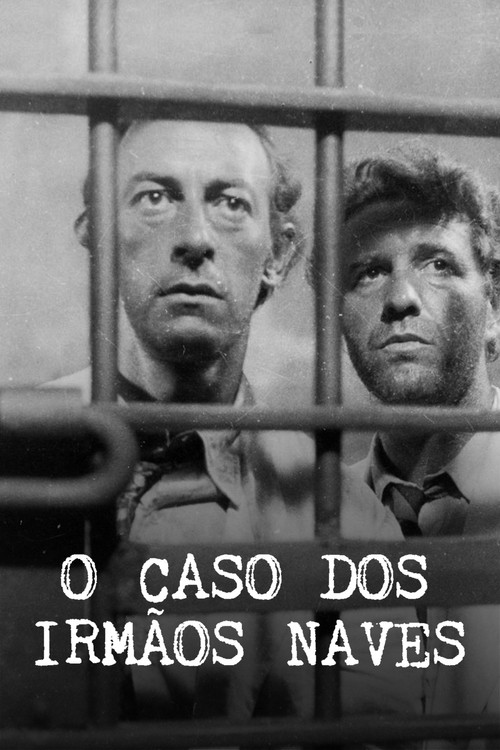
Case of the Naves Brothers
1967
No user ratings available yet
Representation score: 5.1 out of 10
Representation Score
Fair
1996
Director
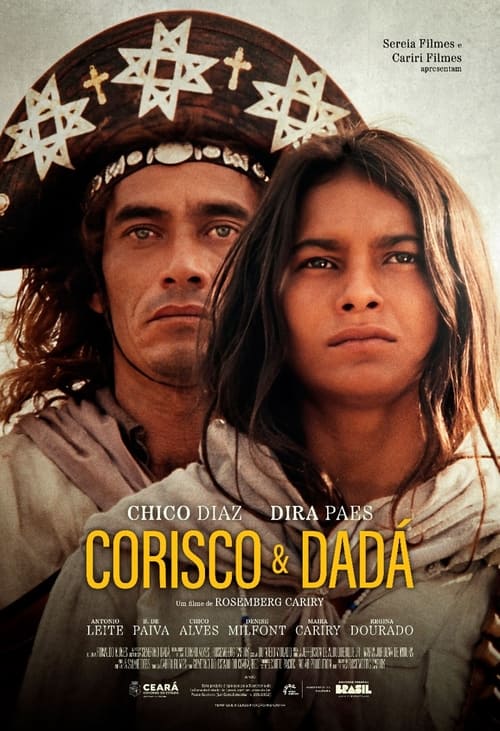
Rosemberg Cariry
Runtime
101 minutes
Average Rating
No ratings yetNew Showbiz Analysis
Rosemberg Cariry’s film is a powerful piece of regionalist cinema that centers underrepresented and outcast populations. By focusing on the Brazilian sertão, it challenges the centralized authority of the early Republic and elevates the voices of the rural peasantry. The film excels in its racial and cultural depth, effectively using a post-colonial lens to critique institutional power. It succeeds in making underrepresented populations the main characters of their own historical drama. However, the film lacks engagement with LGBTQ+ themes and provides no representation for disabilities. While it deconstructs state authority, it remains rooted in the violent patriarchal dynamics of its historical context.
Category Breakdown
The film focuses solely on the controversial heterosexual relationship between Corisco and Dadá. There is no representation of non-straight or non-cisgender identities or stories.
Dadá transitions from being a victim of sexual violence to becoming a significant leader within the Canudos movement. This transformation challenges the stereotype of passive women in a patriarchal society, despite the era's strong male dominance.
The film excels by highlighting the lives of Afro-Brazilians and Northeastern Brazilians. It emphasizes the experiences of the rural population rather than those of Eurocentric or urban communities.
The film critiques the imposition of Western modernity on traditional communal structures. It portrays the struggle of the Canudos movement against oppressive state forces.
There is no significant evidence regarding the portrayal of visible or invisible disabilities within the narrative.
Present on Screen
Limited or Absent
Official Synopsis
Cruel and brave Brazilian outlaw called Corisco, living in the backcountry in the Northeast, an arid region, rapes 12-year-old Dadá, who becomes his woman, following him and his gang. Although they were supposed to fight against social injustice, they terrorized the small villages along their way.
1967

1964
1997

1960

2006

2000

1963
1994
No reviews yet. Be the first to share your thoughts on this movie!
Use the rating form above to leave a star rating and optional review.