Mama's Dirty Girls
1974
No user ratings available yet
Representation score: 2.5 out of 10
Representation Score
Limited
1971
Not RatedDirector
Pete Walker
Runtime
101 minutes
Average Rating
No ratings yetNew Showbiz Analysis
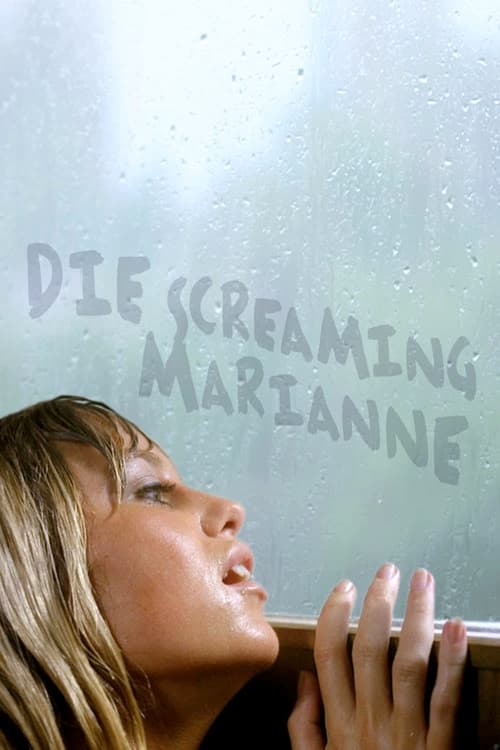
Die Screaming Marianne is a character-driven thriller that challenges the passive female stereotype by presenting sisters with high levels of ability to act and predatory intent. The central conflict is driven by the sisters' ambition and lethal actions. While the film provides a critical view of patriarchal legal authority and institutional corruption, it lacks diversity in representation. The narrative remains focused on a narrow demographic typical of European genre cinema of the era. The film's strength lies in its focus on female-driven conflict and moral ambiguity, though it does not offer representation for racial or LGBTQ+ identities.
Category Breakdown
The film does not include any characters with LGBTQ+ identities or non-cisgender traits. The story revolves around a traditional family structure featuring biological sisters.
The narrative emphasizes the roles of women through the rivalry between two sisters. Both women are shown as decisive and willing to commit murder to achieve their goals.
The setting alternates between England and Portugal, but the cast appears demographically uniform. There is no indication of a multi-ethnic cast or diverse characters in positions of power.
The film critiques Western institutions by depicting a corrupt judge. It examines the breakdown of the traditional family unit through themes of divorce and greed.
There is no information available regarding the portrayal of physical or mental disabilities in the narrative.
Present on Screen
Limited or Absent
Official Synopsis
After their parents divorce, one daughter lives with her mother in England while the other lives with her father in Portugal. After the untimely death of her mother, the one daughter stands to inherit a large sum of money and also a number of documents containing information that will incriminate her father, who was a crooked judge. While her father wants the documents, her sister wants the money and they will each stop at nothing, even murder, to get what they want.
1974

1971

1979

1958
1969
1949
1958
1950
No reviews yet. Be the first to share your thoughts on this movie!
Use the rating form above to leave a star rating and optional review.