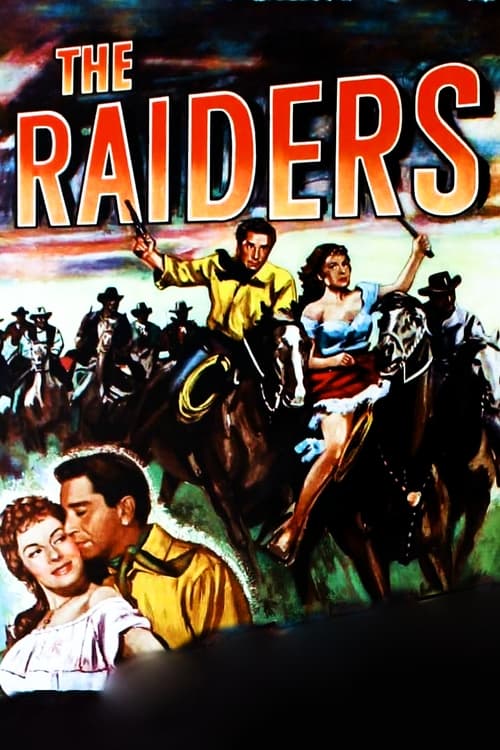
The Raiders
1952
No user ratings available yet
Representation score: 0.4 out of 10
Representation Score
Limited
1948
NRDirector
Lesley Selander
Runtime
86 minutes
Average Rating
No ratings yetNew Showbiz Analysis
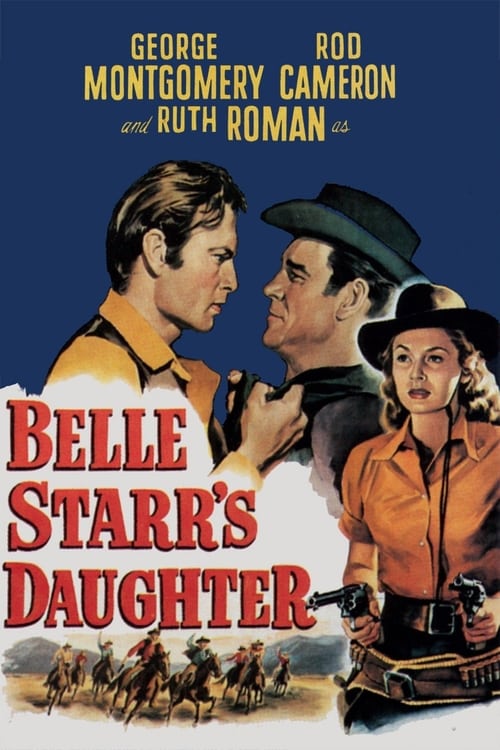
Belle Starr's Daughter is a classic mid-century B-Western that prioritizes genre conventions over social complexity. While it offers a refreshing departure from the male-dominated hero archetype by centering a woman as the primary driver of the plot, the film remains firmly rooted in the era's demographic and social hierarchies. The production adheres to the homogeneous casting and traditional moral structures common to 1948 cinema. It focuses on individual reputation and frontier justice rather than exploring diverse identities or systemic power dynamics. Ultimately, the film provides moderate gendered ability to act but lacks diversity in racial, cultural, and LGBTQ+ representation, reflecting the limited scope of the Western genre during this period.
Category Breakdown
The film does not depict any LGBTQ+ identities or non-straight relationships. It follows the social and cinematic norms of 1948.
A female protagonist drives the plot, challenging the typical male-centric hero cliché of the Western genre. However, her role is still tied to her mother's legacy and traditional family structures.
Casting follows the homogeneous, Anglo-centric patterns typical of 1948 B-Westerns. There is no evidence of significant minority casting or efforts to challenge historical norms.
The narrative centers on frontier justice and moral clarity, focusing on social stability and restoring law over critiques of Western institutions.
There is no evidence of characters with visible or invisible disabilities being portrayed with real influence. The film does not address neurodivergence or physical disability.
Present on Screen
Limited or Absent
Official Synopsis
The daughter of famous outlaw Belle Starr arrives at the town where her mother was murdered to find her killer.
1952
1956
1965
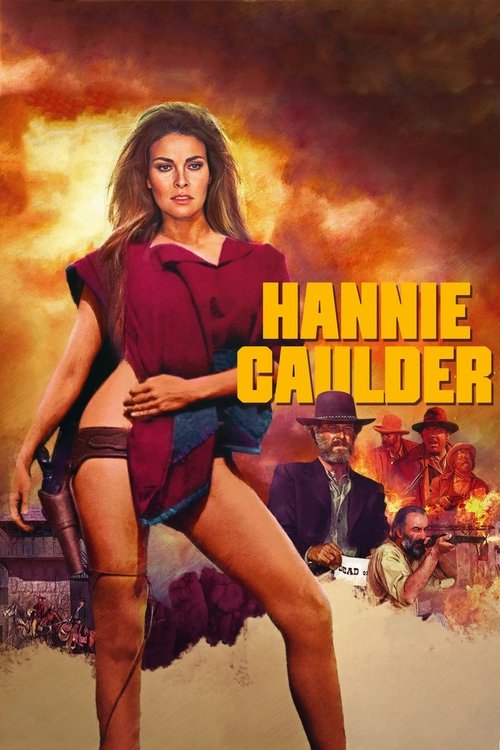
1971
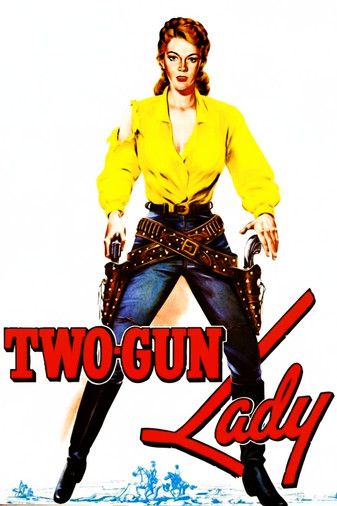
1955
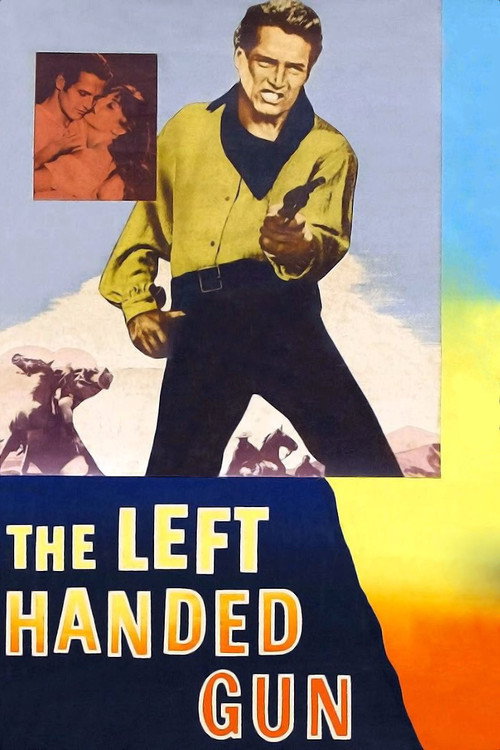
1958
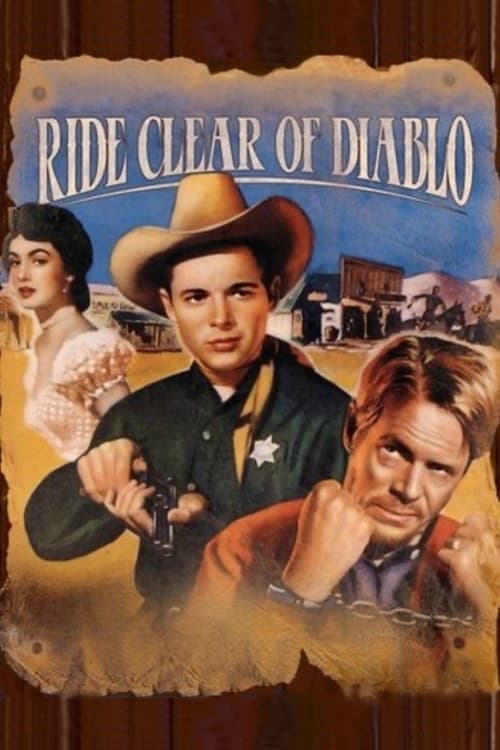
1954
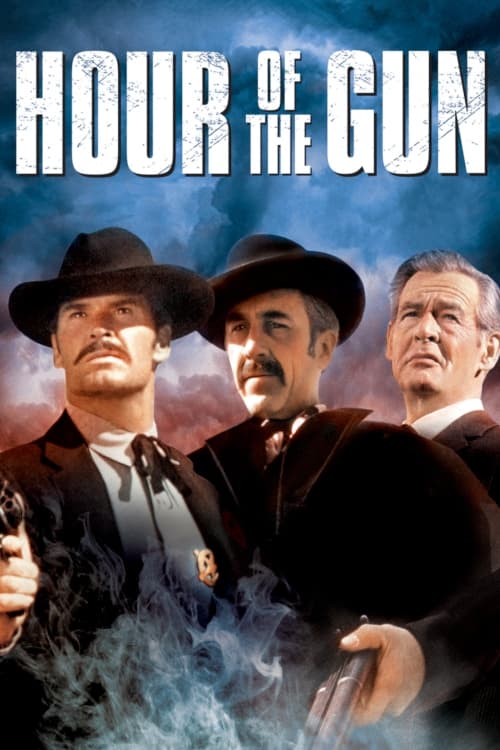
1967
No reviews yet. Be the first to share your thoughts on this movie!
Use the rating form above to leave a star rating and optional review.