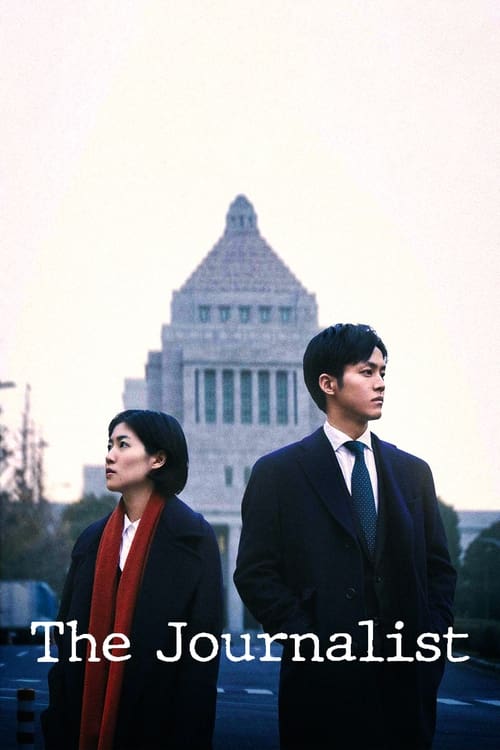
The Journalist
2019
No user ratings available yet
Representation score: 5.0 out of 10
Representation Score
Fair
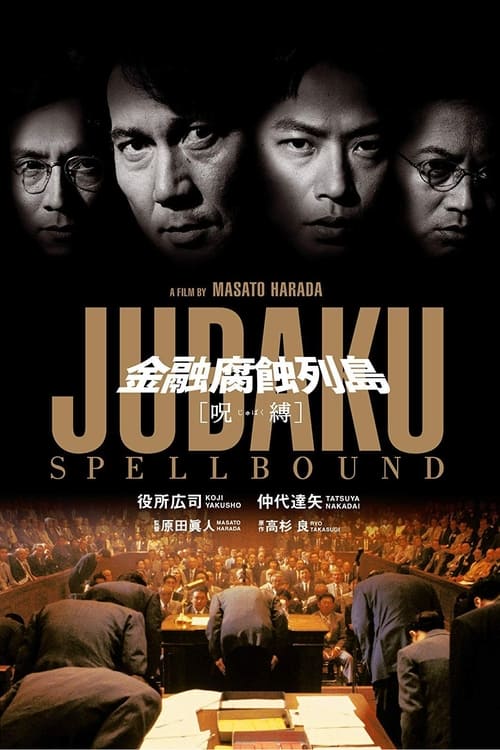
1999
Director
Masato Harada
Runtime
114 minutes
Average Rating
No ratings yetNew Showbiz Analysis
Jubaku: Spellbound is a localized social drama that prioritizes systemic critique over broad representation. It portrays professional women in influential roles, moving beyond traditional passive stereotypes. However, the film remains culturally and racially homogeneous, reflecting its specific Japanese setting. The narrative architecture centers on a patriarchal hierarchy while seeking to dismantle corrupt institutions. Ultimately, the film's strength lies in its thematic engagement with institutional corruption rather than demographic breadth.
Category Breakdown
The film does not include any explicit LGBTQ+ characters or narratives. Instead, it focuses on corporate and legal structures.
Professional women, such as a news anchor and a prosecutor, play key roles in driving the plot. However, the central leadership remains male-dominated.
The cast and setting are homogeneous, reflecting the specific Japanese banking and government sectors. It functions as a localized critique rather than a multi-ethnic narrative.
The film critiques corrupt corporate and government structures, focusing on systemic accountability and disrupting established power dynamics.
There are no characters with visible or invisible disabilities mentioned in the film.
Present on Screen
Limited or Absent
Official Synopsis
When a major bank is caught paying off a corporate extortionist, the media and prosecutors begin to dig, breaking open a money-and-favours scandal that threatens to rock the entire structure of business and government to its core. While the bank's top executives continue to vacillate, a quartet of middle-management reformers, led by straight-arrow Kitano (Koji Yakusho), decide to stage a boardroom coup and install a new, clean management team. With the aid of a hotshot news anchor (Mayumi Wakamura) and a hard-nosed prosecutor (Kenichi Endo), heads begin to roll.
2019
1974
1975
2009
2000
2001
2000
2009
No reviews yet. Be the first to share your thoughts on this movie!
Use the rating form above to leave a star rating and optional review.