BrainWaves
1983
No user ratings available yet
Representation score: 3.5 out of 10
Representation Score
Fair
1994
Director
François Dupeyron
Runtime
96 minutes
Average Rating
No ratings yetNew Showbiz Analysis
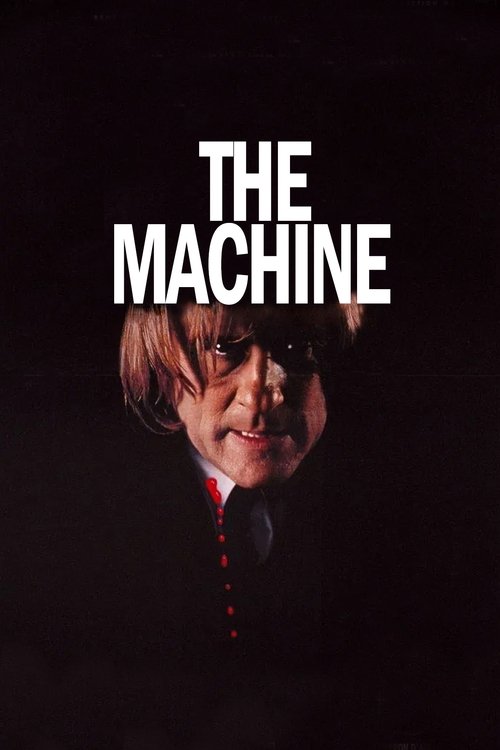
The Machine is a psychological thriller that prioritizes high-concept identity crises over demographic variety. It succeeds in deconstructing the stability of the self and the fallibility of scientific authority, offering a complex look at mental instability. However, the film remains anchored in a traditional social framework. It lacks racial diversity and relies on female characters as narrative catalysts rather than fully realized agents. While it explores neurodivergence, it does so through the lens of a genre thriller.
Category Breakdown
The film suggests non-traditional domestic arrangements through the presence of a mistress, but it does not explicitly represent LGBTQ+ identities or non-cisgender expressions.
Female characters mainly serve as stakes for the male protagonist's crisis. The film challenges male authority as the doctor loses control of his identity.
The narrative focuses on a homogeneous cast within a French production context. There is no evidence of intentional racial blending or diverse casting.
The story critiques Western scientific rationalism by showing a professional's obsession leading to collapse. It offers a nuanced view of criminality and mental instability.
The plot centers on neurodivergence and severe mental illness. It explores the loss of cognitive ability to act through the protagonist's forced psychological fragmentation.
Present on Screen
Limited or Absent
Official Synopsis
This deftly made French psychological thriller terrifies with its exploration of an experiment gone horribly wrong. Dr. Marc Lacroix, a psychiatrist specializing in brain functions, is obsessed with the link between mind and spirit. To find his link he studies the criminally insane. He builds a secret machine, known only to his mistress Marianne, in which he hopes to exchange minds between humans. He simultaneously wants to help the mentally ill recover, and he wants to experience their madness. He chooses the psychotic killer, Zyto, a man who stabbed at least three women, for his experiment. The initial experiment is successful and the two exchange minds. But trouble ensues when Zyto refuses to reverse the switch. There is little Marc can do when Zyto takes over Marc's life, and more ominously his wife and child whom are unknowingly in mortal danger. Marc, encased in Zyto's body, is returned to the asylum. Will Marc's wife recognize the danger? Will Zyto kill again?
1983
1966
1982
1966
1985

1924

2004

1958
No reviews yet. Be the first to share your thoughts on this movie!
Use the rating form above to leave a star rating and optional review.