
Cannibals and Crampons
2002
No user ratings available yet
Representation score: 3.8 out of 10
Representation Score
Minimal
1961
Director
Pierre-Dominique Gaisseau
Runtime
92 minutes
Average Rating
No ratings yetNew Showbiz Analysis
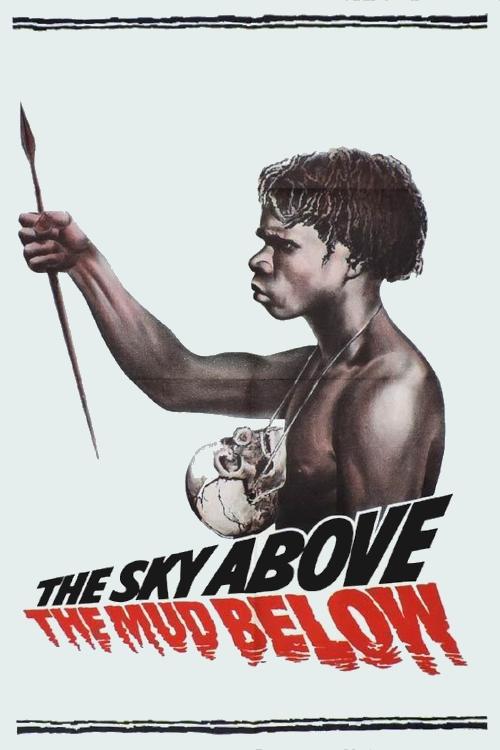
Sky Above and Mud Beneath is a historical document of mid-century ethnographic filmmaking. While it highlights the indigenous populations of New Guinea, the perspective remains Eurocentric. The film's strength lies in its detailed documentation of a massive expeditionary journey. However, this documentation is undermined by a narrative voice that relies on outdated, colonialist labels for the people being observed. Ultimately, the work primarily studies European survival and discovery, rather than empowering the cultures it encounters.
Category Breakdown
The film does not include any LGBTQ+ characters or narratives. It follows a traditional structure typical of its time period.
The story focuses on a male-led expedition through uncharted territory. It emphasizes traditional masculine roles without challenging gender hierarchies.
Indigenous Muyu people are prominently featured, but they are portrayed through colonial-era clichés. The narrative limits the ability to act of local subjects through a European perspective.
Indigenous rituals are shown through a lens of exoticism rather than critical examination. The film prioritizes the European experience of discovery over a nuanced cultural perspective.
There is no specific evidence regarding the portrayal of characters with physical or neurodivergent disabilities.
Present on Screen
Limited or Absent
Official Synopsis
In September, 1959, six Europeans leave Cook's Bay on the southern coast of Dutch New Guinea, now West Papua or Irian Jaya, to trek north to the far side of the island. The journey (450 miles, as a crow flies) across unmapped territory took seven months; three Muyu porters died. Near both coasts, the expedition met villagers who invited them to observe rituals and live with them. In the interior, all villagers kept them at bay, and they depended on air lifts from Hollandia for food and supplies. They climbed above 10,000 feet, built 14 bridges, and fought leeches and malaria. The narrator focuses on describing Stone Age savages, headhunters, and cannibals.
2002

1980

1951
1949
1920

1928
1953
1963
No reviews yet. Be the first to share your thoughts on this movie!
Use the rating form above to leave a star rating and optional review.