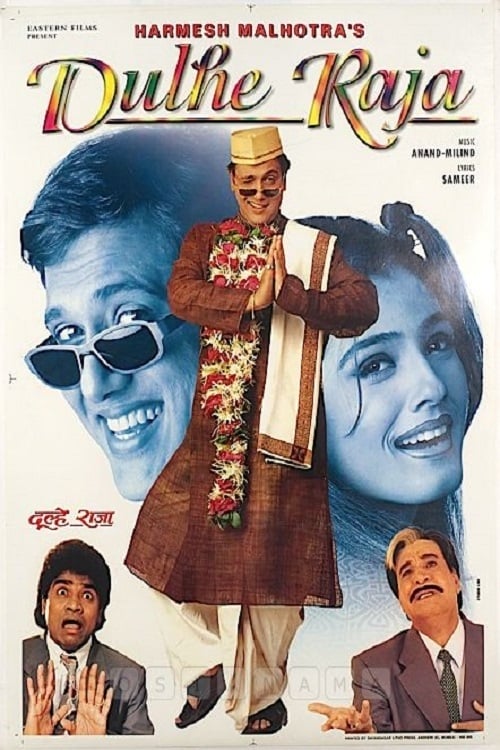
Dulhe Raja
1998
No user ratings available yet
Representation score: 1.3 out of 10

Representation Score
Limited
1999
Director
Vimal Kumar
Runtime
150 minutes
Average Rating
No ratings yetNew Showbiz Analysis
Rajaji is a conventional romantic comedy that prioritizes established genre clichés over the inclusion of underrepresented groups. The plot centers on a male protagonist's pursuit of wealth through marriage and the subsequent shifts in class status. The film adheres to the storytelling norms of late-90s commercial Indian cinema. It focuses on class mobility and the volatility of fortune rather than challenging social hierarchies or exploring multiple aspects of diversity. Ultimately, the film functions as a standard genre piece. It lacks representation for LGBTQ+ individuals or characters with disabilities, focusing instead on a traditional heterosexual marriage arc.
Category Breakdown
The film focuses on a traditional heterosexual romantic storyline. There is no evidence of non-binary gender identities or critiques of the assumption that everyone is straight or cisgender within the plot.
The story utilizes traditional gender roles. While Payal gains a significant role in driving the story through sudden wealth, the initial setup relies on clichés regarding marriage and social status.
The cast is ethnically uniform, typical of Indian film productions of this era. The narrative focuses on internal class dynamics rather than diverse racial backgrounds.
The narrative reinforces traditional social structures, such as the importance of parental approval. It explores the volatility of wealth within a conventional social framework.
There are no visible or invisible disabilities addressed within the narrative.
Present on Screen
Limited or Absent
Official Synopsis
Raja is a lazy slacker, who wants to have an easy life. He figures that if he gets married to a rich woman, then he will not have to work. So he meets with multi-millionaire Payal, impresses her, and both fall in love. With the blessings of their respective parents' both get married. After the marrige Raja finds out that Payal is the daughter of the multi-millionaire's gardner, and soon leaves her. Fortune visits Payal and her father, when they win a lottery, and themselves become wealthy beyond their imagination. When Raja comes to know about their new-found wealth, he tries to come back into their lives, but the question is will they accept him back?
1998

2018
1995

2014
1997

1990

2010

1997
No reviews yet. Be the first to share your thoughts on this movie!
Use the rating form above to leave a star rating and optional review.