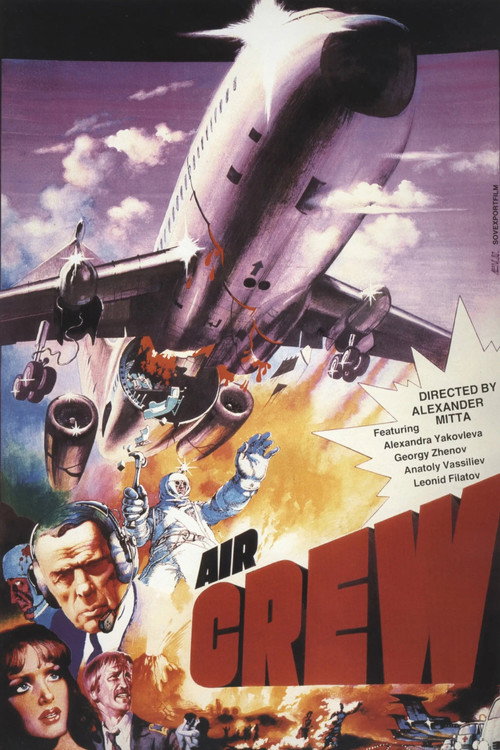
Air Crew
1980
No user ratings available yet
Representation score: 2.8 out of 10
Representation Score
Excellent
1993
Director
Rashid Nugmanov
Runtime
98 minutes
Average Rating
No ratings yetNew Showbiz Analysis
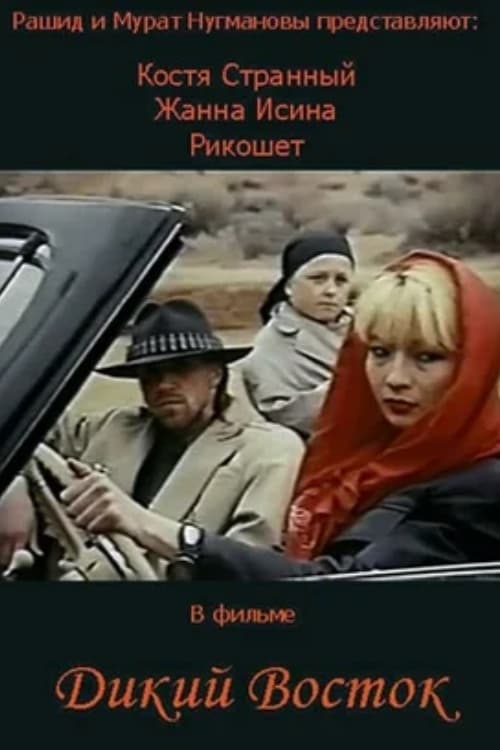
The Wild East functions as a post-Soviet Western that explores survival and community formation during a period of systemic instability. By centering on the Solar Children, a underrepresented group of dwarves, the film shifts focus away from traditional state hierarchies toward unconventional social structures. The film excels in portraying ethnic autonomy and the ability to act of physically distinct characters. The protagonists drive the narrative, using their identity to build a community amidst the chaos of a collapsing empire. However, the film lacks clear evidence regarding specific gendered ability to act or LGBTQ+ representation. While the setting implies a breakdown of old social norms, the lack of explicit character identities limits the depth of its social representation.
Category Breakdown
The film lacks explicit evidence of queer identities or romantic pairings. While the post-Soviet setting suggests a deconstruction of straight-centered structures, no non-cisgender identities are verifiable.
A ragtag group of heroes drives the plot, potentially challenging traditional gender roles through survival necessity. The focus on unconventional social structures suggests a departure from patriarchal leadership.
Set in the Kyrgyzstan wilderness, the film engages with ethnic autonomy and identity blending. It explores the landscape of a post-imperial era during a period of national redefinition.
The narrative critiques systemic power by portraying the breakdown of Soviet institutions. It prioritizes subjective morality and the struggle of underrepresented groups against dominant, aggressive forces.
The central protagonists are dwarves who possess significant narrative ability to act. They act as architects of their own settlement rather than serving as passive victims or mere plot devices.
Present on Screen
Limited or Absent
Official Synopsis
The Solar Children, a group of dwarves who left the circus, are trying to start a settlement in the Kyrgyzstan wilderness just after the breakup of the Soviet Union, but are harassed by a gang of bikers. With their meager savings, they hire a ragtag group of heroes to drive off the bikers.
1980

1969

2020

2013

1997

2003

1970

1990
No reviews yet. Be the first to share your thoughts on this movie!
Use the rating form above to leave a star rating and optional review.