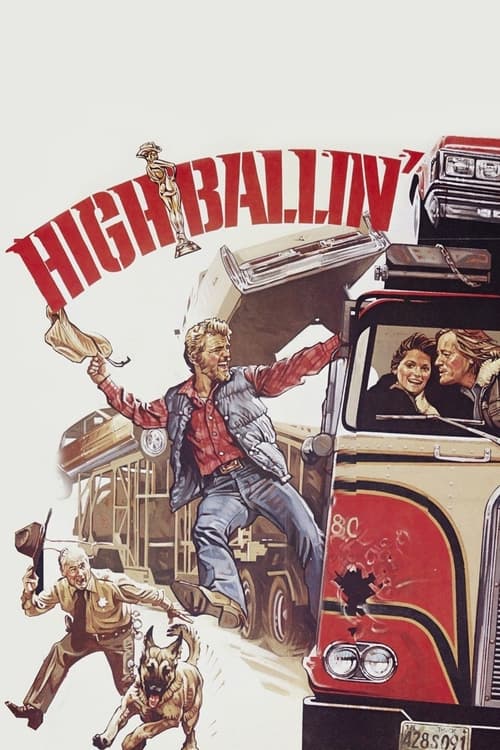
High-Ballin'
1978
No user ratings available yet
Representation score: 1.9 out of 10
Representation Score
Minimal
1994
RDirector
Deran Sarafian
Runtime
89 minutes
Average Rating
No ratings yetNew Showbiz Analysis
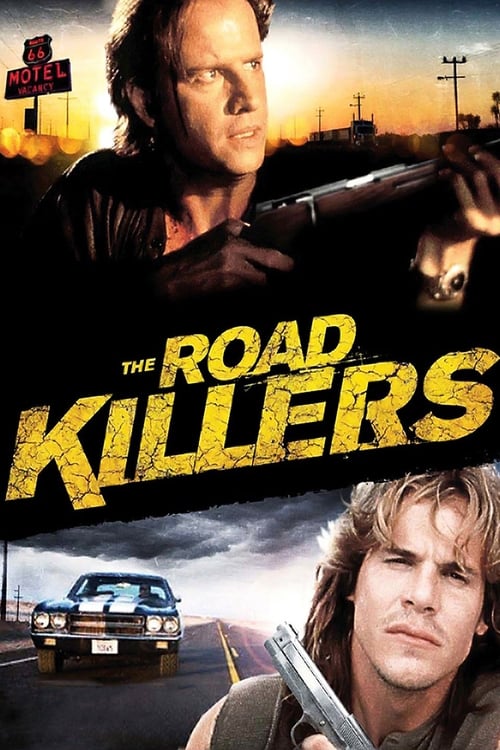
The Road Killers operates as a typical mid-90s action-thriller, relying heavily on established genre clichés. The narrative structure prioritizes masculine retribution and the protection of a traditional nuclear family unit. Representation is limited, with the film adhering to conservative storytelling paradigms. It lacks depth in reflecting multiple aspects of identity, focusing instead on high-stakes conflict and the breakdown of institutional stability through a rural, highway-based setting. Ultimately, the film functions within a narrow framework of identity, using traditional gender roles and a predominantly white cast to drive its tension-filled plot.
Category Breakdown
The film follows traditional structures and does not include any queer themes or non-cisgender gender identities.
Female characters are mainly portrayed as victims of violence rather than active participants. The plot relies on traditional stereotypes of vulnerability to advance the male protagonist's journey.
The main cast is predominantly white and Anglo-Saxon. The film does not significantly blend different races or challenge societal norms with diverse ethnicities.
The story examines the failure of Western institutions such as law enforcement. It emphasizes the preservation of the traditional nuclear family through conflict rather than questioning cultural values.
Characters with visible or invisible disabilities are not shown taking control of their lives. Physical trauma is used as a plot device rather than exploring disability in depth.
Present on Screen
Limited or Absent
Official Synopsis
After a young boy is almost runover by a maniac on a highway, a re-encounter and confrontation by the boy's father with the driver sets off conflicts with a car full of maniacs.
1978

2013
2000

1993
1999

1971
2025
1986
No reviews yet. Be the first to share your thoughts on this movie!
Use the rating form above to leave a star rating and optional review.