
A Deadly Encounter
2004
No user ratings available yet
Representation score: 2.5 out of 10
Representation Score
Limited
1999
Director
Deran Sarafian
Runtime
86 minutes
Average Rating
No ratings yetNew Showbiz Analysis
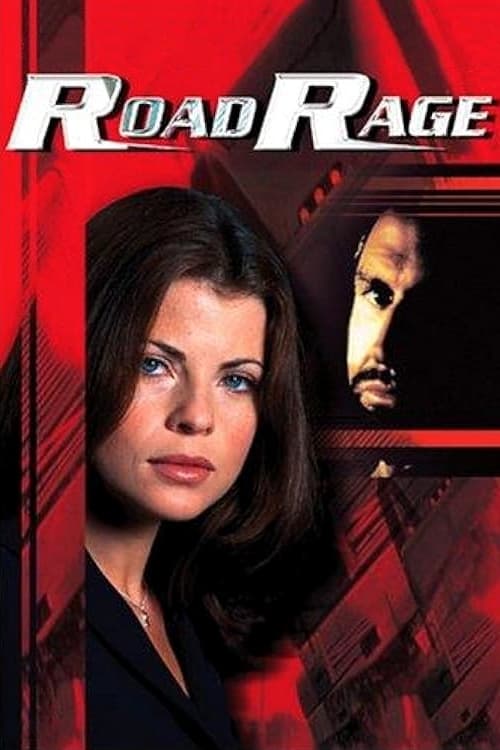
Road Rage is a conventional genre thriller that relies on established cinematic clichés rather than progressive social commentary. The narrative structure revolves around a traditional nuclear family and a singular, psychologically driven antagonist. The film reinforces rather than challenges social and gendered expectations. It lacks depth in addressing diverse perspectives on identity, culture, or disability. Ultimately, the story follows a straightforward path of personal conflict that adheres to standard Western thriller structures and traditional power dynamics.
Category Breakdown
The film adheres to a conventional framework that assumes everyone is straight or cisgender. It focuses on a traditional nuclear family and does not include any representation of non-binary gender identities or same-sex relationships.
Ellen is portrayed in a vulnerable position, fitting the traditional 'damsel in distress' stereotype. Male characters hold the main roles of protector and aggressor, reinforcing typical gender roles.
The cast seems centered around a uniform family structure. There is no indication of a multi-ethnic cast or the use of casting actors from different backgrounds to explore ethnic diversity.
The story follows a standard Western thriller format driven by personal grievances. It lacks critiques of systemic institutions or any significant exploration of diverse cultural or religious perspectives.
The antagonist's psychological issues serve mainly as a plot device for suspense. The film lacks a nuanced exploration of mental health or neurological differences.
Present on Screen
Limited or Absent
Official Synopsis
Ellen Carson is a real estate agent who inadvertently cuts off a delivery truck driver while changing lanes on the freeway to hurry home. The truck driver turns out to be a disturbed man named Eddie Madden, who proceeds to chase after Ellen in an effort to run her off the road. Ellen in fear calls the 1-800 number on the back of his truck and lodges a complaint, which causes Eddie to lose his job, and he (being a grieving husband and father who earlier lost his family to a car accident) sets out to destroy Ellen's family and soon becomes fixated on Ellen and her teenage stepdaughter Cynthia and plots to have them as replacement family, by removing the head of the house, Ellen's husband and Cynthia's father Jim Carson.
2004
1995

2000
1996
1992

1971

2006
1997
No reviews yet. Be the first to share your thoughts on this movie!
Use the rating form above to leave a star rating and optional review.