Them
2006
No user ratings available yet
Representation score: 2.8 out of 10
Representation Score
Good
2008
Not RatedDirector
Isidro Ortiz
Runtime
91 minutes
Average Rating
No ratings yetNew Showbiz Analysis
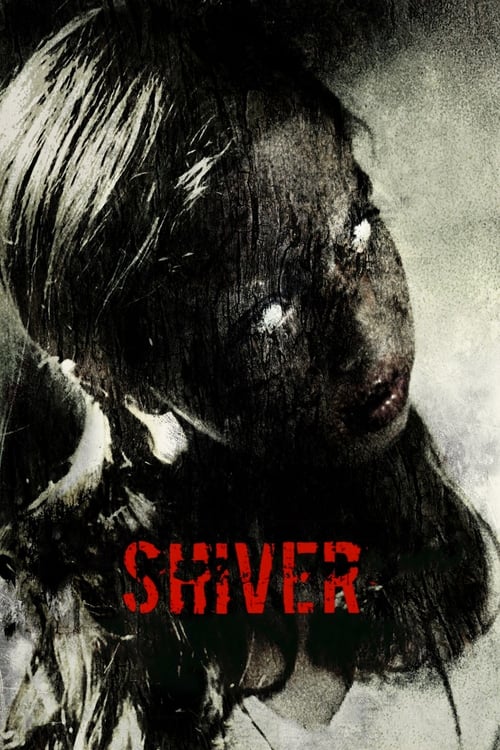
Shiver stands out by centering a protagonist with a significant physical disability. By making Santi's photosensitivity the catalyst for both his isolation and the community's hostility, the film moves beyond simple horror clichés to explore the lived experience of chronic health conditions. The film also offers a sharp critique of insular social dynamics. Instead of presenting a welcoming rural setting, it depicts a xenophobic community that reacts aggressively to perceived outsiders, using the protagonist's medical condition as a metaphor for broader social exclusion. However, the film lacks depth in other multi-layered areas. There is no visible LGBTQ+ representation, and the gender dynamics, while featuring a strong maternal figure, do not fundamentally challenge traditional social hierarchies.
Category Breakdown
The film does not explicitly depict LGBTQ+ identities or relationships outside of traditional heterosexual norms. The narrative emphasizes the protagonist's physical vulnerability and his relationship with his mother.
A single mother serves as a central figure and primary decision-maker. Although the film features a matriarchal unit, it maintains a relatively conventional domestic structure without challenging traditional gender hierarchies.
The story uses the protagonist's outsider status to critique xenophobic social structures. While the cast appears homogeneous, the tension highlights the friction between an individual and an exclusionary community.
The film deconstructs the pastoral ideal by portraying a rural village as a site of systemic intolerance. It critiques the stability of insular social structures by framing the community as an oppressive force.
Santi’s extreme photosensitivity drives the plot and serves as a lens for exploring social exclusion. The narrative examines how physical differences can trigger systemic suspicion and profound social alienation.
Present on Screen
Limited or Absent
Official Synopsis
Santi, a young high-school student with a serious physical reaction to sunlight, is forced by his health to move with his single mother to a shadowy, isolated village in the mountains of Spain where the inhabitants begin to reveal themselves as strangely xenophobic. When terrible, violent events begin to occur, Santi becomes first a pariah at school and then strongly suspected by the police of hideous murders. Santi himself, however, wonders if he is not the next victim.
2006
1976

2018

1990

2007
2002
2003

2014
No reviews yet. Be the first to share your thoughts on this movie!
Use the rating form above to leave a star rating and optional review.