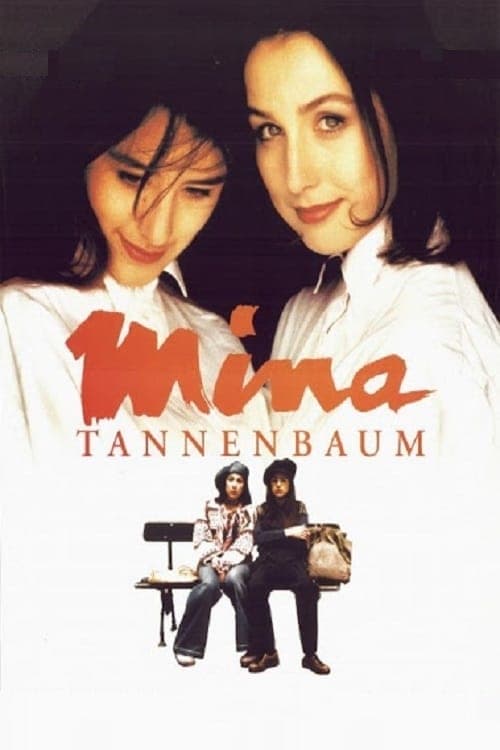
Mina Tannenbaum
1994
No user ratings available yet
Representation score: 6.5 out of 10

Representation Score
Fair
2012
Director
Avdotya Smirnova
Runtime
90 minutes
Average Rating
No ratings yetNew Showbiz Analysis
Kokoko is a character-driven study that centers on the relational dynamics between two women from disparate backgrounds. By focusing on female companionship, the film successfully shifts the narrative weight away from traditional masculine-centric clichés toward a more nuanced exploration of women's ability to drive the story. The film's strength lies in its ability to use interpersonal conflict as a vehicle for social commentary. It examines the friction caused by social stratification and the ways individuals resist systemic expectations within their specific cultural milieu. However, the film lacks explicit multi-layered breadth. While it explores class and gender deeply, it offers little evidence of racial diversity or overt LGBTQ+ representation, remaining somewhat tethered to specific socio-cultural frameworks.
Category Breakdown
The film explores intense, unconventional female bonds that may challenge traditional heterosexual norms. However, there is no explicit confirmation of LGBTQ+ identities.
The narrative centers entirely on female perspectives and their roles in driving the story. It disrupts masculine-centric plot drivers by prioritizing female subjectivity and complex emotional landscapes.
The story appears to operate within a specific socio-cultural milieu. It likely prioritizes class distinction and socio-economic status over ethnic diversity.
The film critiques social hierarchies through the friction of varying moral or class-based frameworks. It examines how individuals navigate their immediate social environments.
There is no information available to assess the portrayal of physical or neurodivergent disabilities.
Present on Screen
Limited or Absent
Official Synopsis
A storry about a friendship between two very different women.
1994
1980
2000

2003

2015

2023

2014
1990
No reviews yet. Be the first to share your thoughts on this movie!
Use the rating form above to leave a star rating and optional review.