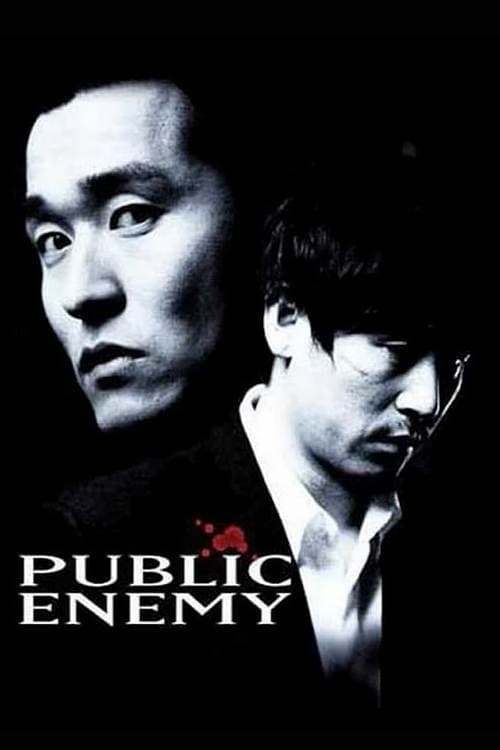
Public Enemy
2002
No user ratings available yet
Representation score: 1.7 out of 10
Representation Score
Minimal
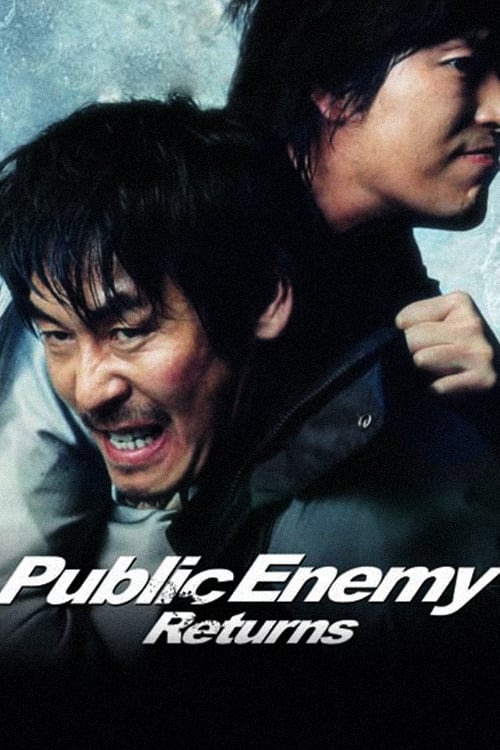
2008
Not RatedDirector
Kang Woo-suk
Runtime
127 minutes
Average Rating
No ratings yetNew Showbiz Analysis
Public Enemy Returns is a character-driven crime thriller centered on a high-stakes rivalry between a detective and a mob boss. The narrative structure emphasizes traditional masculinity and interpersonal conflict. The film adheres to conventional crime genre clichés, reinforcing archetypes such as the determined lawman. While it offers a culturally authentic perspective of its South Korean setting, it does not aim to challenge social hierarchies or provide diverse representation.
Category Breakdown
The film does not include any LGBTQ+ characters and does not explore non-traditional gender identities. The story focuses solely on heterosexual relationships and traditional gender roles.
The story centers around male characters and traditional masculinity. Female characters play minor roles while the plot is driven by male protagonists and masculine stereotypes.
The cast is predominantly of Korean ethnicity, reflecting the specific South Korean setting. The narrative focuses on a culturally specific context rather than a diverse one.
The film highlights conflicts between state institutions and organized crime. It focuses on a localized moral struggle rather than broader political or Western ideological themes.
The film does not feature any characters with visible or invisible disabilities. There is no engagement with neurodivergence or physical disabilities as part of the storyline.
Present on Screen
Limited or Absent
Official Synopsis
Kang Chul-jung has been a detective fighting crime for 15 years and is at it again against a mob boss who recruits young kids to do his dirty work.
2002

2019
1999

2015
1996
2005
2001

2005
No reviews yet. Be the first to share your thoughts on this movie!
Use the rating form above to leave a star rating and optional review.