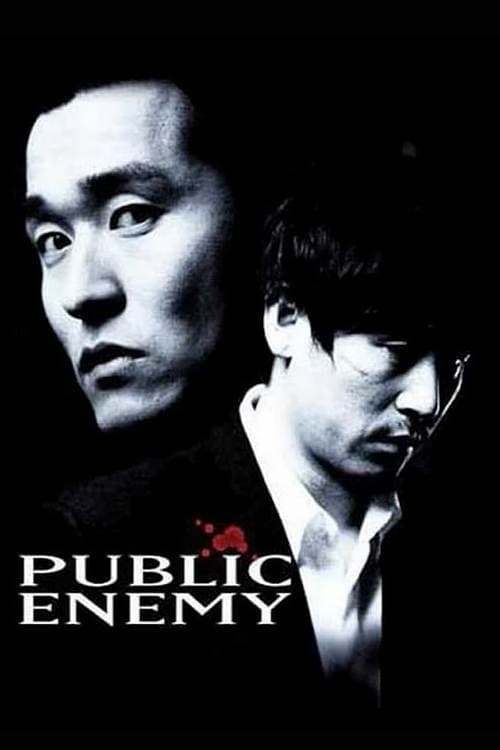
Public Enemy
2002
No user ratings available yet
Representation score: 1.7 out of 10
Representation Score
Fair
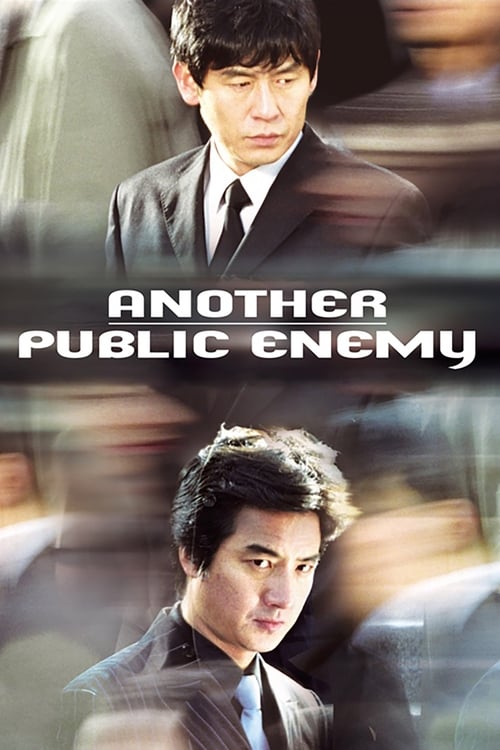
2005
RDirector
Kang Woo-suk
Runtime
148 minutes
Average Rating
No ratings yetNew Showbiz Analysis
Another Public Enemy is a genre-driven crime thriller that emphasizes class-based tension over diverse identity issues. The central conflict pits a high-status psychopath against a grounded protagonist, using wealth as a catalyst for moral friction. While the film offers a critical view of social hierarchies, it lacks visible markers of progressive representation. The narrative structure relies heavily on traditional masculine archetypes and a homogeneous cultural setting. Ultimately, the film serves as a character study of social strata rather than a vehicle for diverse identity politics.
Category Breakdown
The film does not explicitly address non-straight relationships or identities. The narrative focuses on a binary conflict involving criminality and social class.
The story centers on a male-driven conflict between a psychopath and a former classmate. It leans towards traditional masculine action clichés without providing much detail about women's ability to drive the story.
As a South Korean production, the film operates within a culturally homogeneous framework. It does not explicitly show multi-layered racial blending or the subversion of ethnic hierarchies.
The story suggests a critique of class disparity by framing a wealthy character as a psychopath. This disrupts traditional associations between high social status and moral stability.
There is no evidence regarding the inclusion or portrayal of neurodivergence or physical disabilities within the narrative.
Present on Screen
Limited or Absent
Official Synopsis
A criminal psychopath from a wealthy family is confronted with Chul-jung Kang, a former classmate who no longer likes his activities.
2002

2014
1995

2019

2017
2008
2005

2017
No reviews yet. Be the first to share your thoughts on this movie!
Use the rating form above to leave a star rating and optional review.