
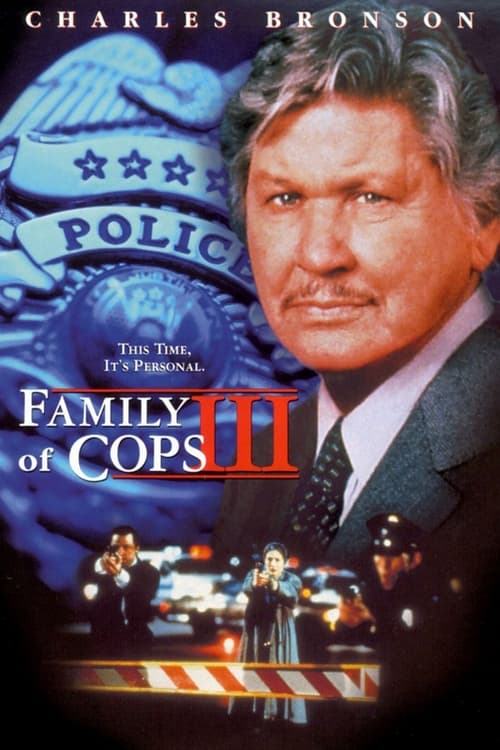
Family of Cops
1995
No user ratings available yet
Representation score: 2.3 out of 10
Representation Score
Limited
1999
PG-13Director
Sheldon Larry
Runtime
91 minutes
Average Rating
No ratings yetNew Showbiz Analysis
Family of Cops III: Under Suspicion is a traditional crime procedural that focuses on institutional stability and law and order. It leans heavily on established genre clichés and maintains a narrow focus on straight relationships and traditional gender roles. While the film includes some racial diversity through its casting, it falls short in representing LGBTQ+ identities, disabilities, or disrupting traditional gender roles. The narrative primarily upholds existing social hierarchies without challenging them.
Category Breakdown
There are no LGBTQ+ characters or storylines in the film, which operates within a framework that assumes everyone is straight or cisgender.
Male characters play the primary roles and drive the story, while female characters have secondary roles that reinforce traditional gender hierarchies.
Lou Diamond Phillips' casting adds diversity to the film's cast, reflecting a more inclusive urban environment, though it adheres to typical genre archetypes.
The story emphasizes Western values and the importance of law enforcement, highlighting a clear divide between lawful authority and criminal behavior.
Characters with disabilities are not central to the plot, and disability is not used as a key theme or for character development.
Present on Screen
Limited or Absent
Official Synopsis
Police Inspector Paul Fein copes with family troubles while also dealing with the possibility of advancement to police chief. Meanwhile, his son is investigating the murder of a banker.
1995
2007
2007
1997
1997

2023

2000
1994
No reviews yet. Be the first to share your thoughts on this movie!
Use the rating form above to leave a star rating and optional review.