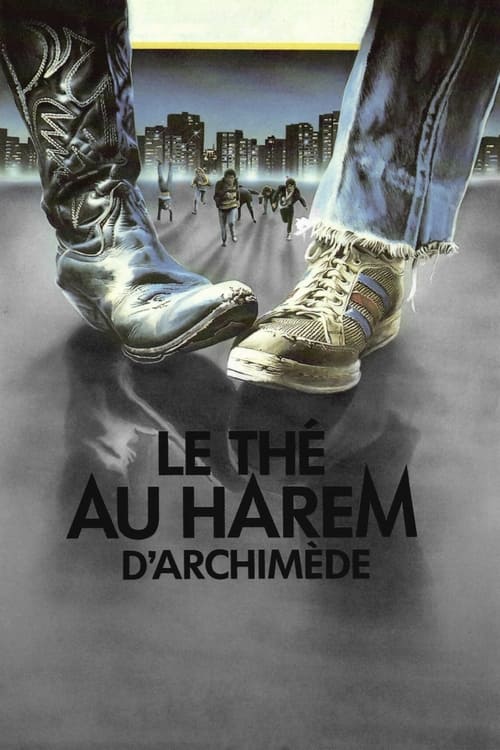
Tea in the Harem
1985
No user ratings available yet
Representation score: 6.0 out of 10
No Poster Available
Representation Score
Excellent
1990
Director
Cyril Collard
Runtime
90 minutes
Average Rating
No ratings yetNew Showbiz Analysis
Cyril Collard’s *Taggers* is a raw exploration of urban youth subcultures that intentionally deconstructs traditional social hierarchies. It excels in its sophisticated application of queer theory, moving beyond surface-level representation to address the complexities of identity and systemic vulnerability. The film's strength lies in its refusal to moralize, instead offering a realistic portrayal of life amidst the HIV/AIDS crisis and social rebellion. By centering the lived experiences of underrepresented groups, it challenges the stability of institutional authority and conventional social norms. While the film is highly effective in its cultural critique, it remains somewhat narrow in its racial scope. The focus on a specific Parisian subculture means that while multi-layered elements exist, the ensemble lacks broad ethnic variety.
Category Breakdown
The film offers a detailed and nuanced look at queer identity by focusing on non-straight relationships and the HIV/AIDS epidemic. It explores same-sex intimacy and the personal impact of the disease.
The film challenges traditional gender roles by highlighting sexual fluidity and shifting power dynamics. It downplays rigid masculine roles and questions the stability of the nuclear family structure.
The main social circle in the film is primarily composed of white characters, limiting the range of ethnic diversity. However, the inclusion of an Arab police officer adds layers of racial tension and complexity.
The film critiques Western institutions by emphasizing individual experience over religious or social codes. It portrays family, law, and morality as restrictive structures disconnected from the realities of underrepresented groups.
The film treats chronic illness, particularly HIV/AIDS, who play a significant role in driving the story rather than as a mere plot device. It integrates the physical and social implications of the disease into the characters' identities.
Present on Screen
Limited or Absent
Official Synopsis
An Arab cop is caught up in a conflict involving two gangs of young graffiti artists.
1985

1980

1986

2015

2013
1981
1995

1983
No reviews yet. Be the first to share your thoughts on this movie!
Use the rating form above to leave a star rating and optional review.