Mousetrap
1990
No user ratings available yet
Diversity score: 3.3 out of 10
2006
Director
Brian Percival
Runtime
95 minutes
Average Rating
No ratings yetSynopsis
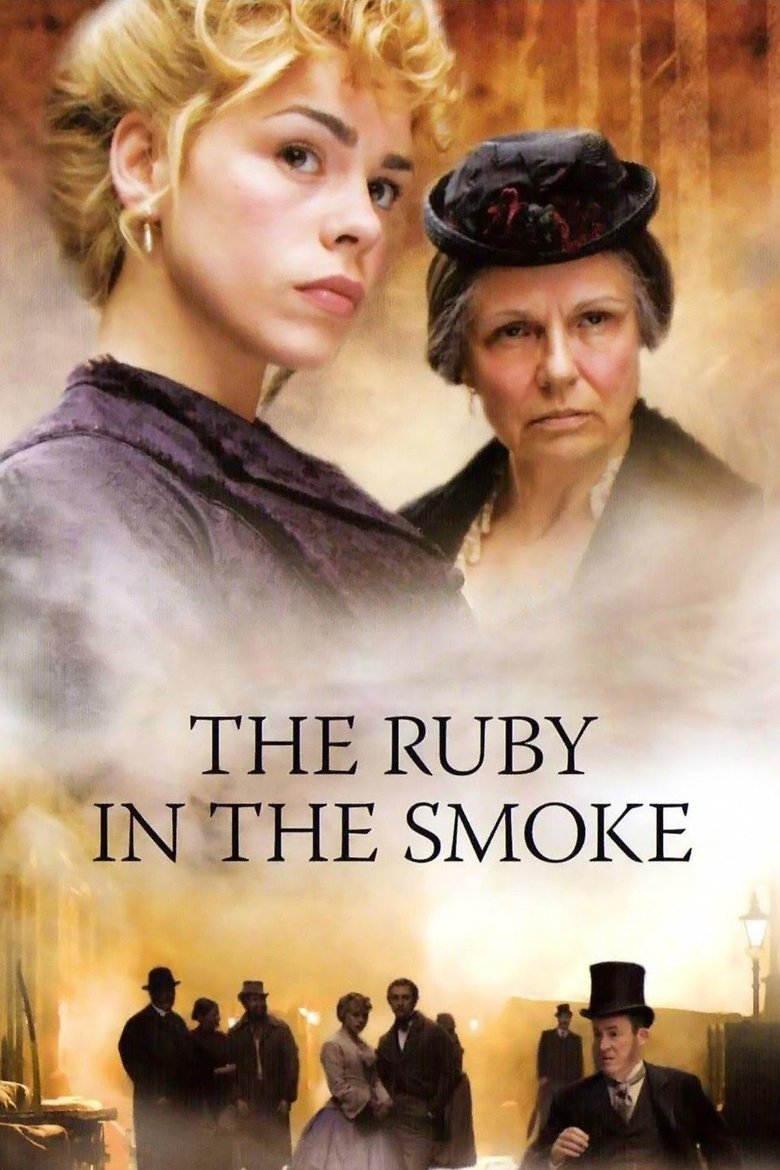
Sally Lockhart has struck a man dead with just three words, sent to her in a message from her father just before he drowned in the South China Seas. But unfortunately, Sally has no idea what the words The Seven Blessings mean. Before long, she is drawn into a mystery filled with opium, secrets from her own past and, at the heart of it all, the Ruby of Agrapur.
Overall Score
Limited
Category Breakdown
LGBTQ+ Representation
The narrative adheres strictly to the heteronormative social structures of the Victorian era. There is no evidence of non-cisnormative gender identities or same-sex intimacy within the primary character arcs.
Gender Representation
Sally Lockhart disrupts traditional Victorian domesticity by operating with significant agency in public and criminal spheres. The story prioritizes her intellect and autonomy over submissive feminine archetypes.
Racial & Ethnic Diversity
The casting is largely homogeneous, reflecting an Anglo-centric focus on Victorian London. While the plot implies a broader colonial reach, the primary cast lacks significant non-white representation.
Religious & Cultural Diversity
The series critiques the Victorian class hierarchy by portraying the tension between the elite and the urban underclass. It presents a complex ethical landscape regarding the criminal underworld.
Disability Representation
There is no prominent depiction of visible or invisible disabilities. Characters appear to function within the standard physical and neurotypical norms of the genre.
Strengths
Areas for Improvement
AI Analysis
The Ruby in the Smoke succeeds in subverting gendered expectations by centering on a female protagonist who navigates high-stakes mysteries with autonomy. Sally Lockhart is defined by her intellect rather than domesticity, providing a progressive departure from standard Victorian tropes. However, the production remains limited by its narrow demographic scope. The cast is largely homogeneous, and the narrative lacks representation for LGBTQ+ identities or characters with disabilities. While the plot hints at a global colonial reach, this diversity is mostly implied rather than integrated into the central cast. Ultimately, the drama offers a nuanced look at class-based systemic corruption and female agency, even as it remains tethered to the era's social and racial homogeneity.
No reviews yet. Be the first to share your thoughts on this movie!
Use the rating form above to leave a star rating and optional review.