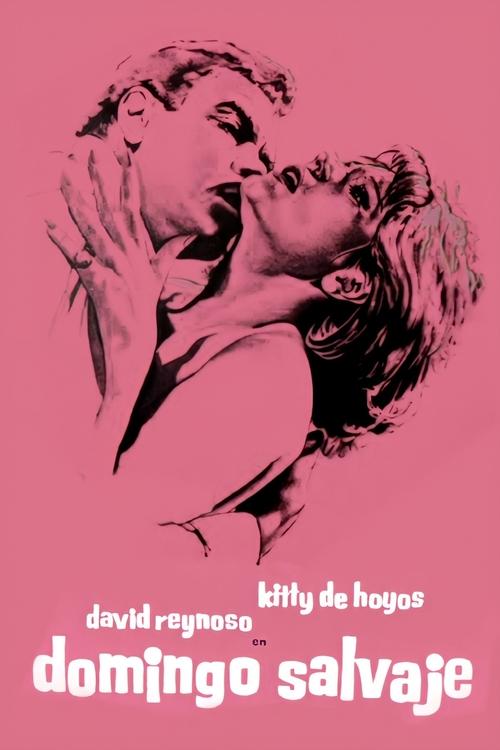
Savage Sunday
1967
No user ratings available yet
Diversity score: 4.9 out of 10

1981
Director
Braz Chediak
Runtime
105 minutes
Average Rating
No ratings yetSynopsis
The youngest daughter of a rich man has been raped by five black men in the slums of Rio de Janeiro, and her father arranges her marriage to one of his employees in order to save the family’s honor.
Overall Score
Limited
Category Breakdown
LGBTQ+ Representation
The film lacks any evidence of queer narratives or non-heteronormative identities. The plot focuses entirely on a traditional, coerced heterosexual marriage structure.
Gender Representation
The story centers on a female protagonist whose agency is stripped by trauma and patriarchal control. Her father's decision to arrange a marriage prioritizes family reputation over her autonomy.
Racial & Ethnic Diversity
The narrative engages with racial dynamics through the interaction between the wealthy class and Black men from Rio's slums. This visibility highlights the racialized stratification of Brazilian society.
Religious & Cultural Diversity
The film critiques traditional social structures and the concept of family honor. It portrays the family unit as a source of coercion rather than a support system.
Disability Representation
There is no information available regarding the depiction of physical or neurodivergent disabilities within the film.
Strengths
Areas for Improvement
AI Analysis
Cute But Ordinary is a social drama that examines the friction between class, race, and rigid moral codes. It uses a high-stakes conflict to explore how institutional reputation often supersedes individual well-being. The film's strength lies in its willingness to engage with the racialized and class-based tensions of Brazil. By placing these dynamics at the center of the plot, it provides a window into systemic social stratification. However, the film remains deeply embedded in traditional hierarchies. The female protagonist's lack of agency and the absence of diverse identity representations limit its progressive impact.
1967
1975

2016
2016
1971
1976
2021
1963

2021
No reviews yet. Be the first to share your thoughts on this movie!
Use the rating form above to leave a star rating and optional review.