Patients
2017
No user ratings available yet
Representation score: 8.2 out of 10
Representation Score
Good
1997
RDirector
Richard LaBrie
Runtime
92 minutes
Average Rating
No ratings yetNew Showbiz Analysis
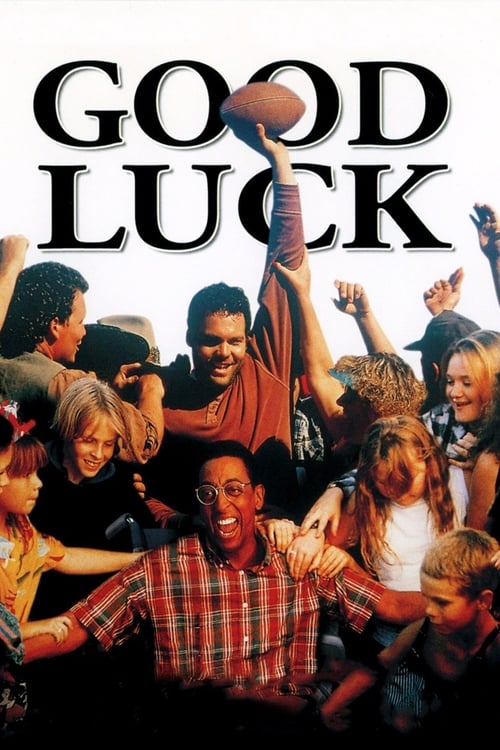
Good Luck places characters with physical disabilities at the heart of a high-stakes, actively leading narrative. Instead of portraying impairment as a source of pity, the film uses the characters' frustrations to propel a competitive journey through whitewater rafting. However, the film's impact is limited by a lack of diverse representation. Its narrow focus on a male-centric experience leaves questions about racial, ethnic, and LGBTQ+ representation unanswered. Ultimately, while the film offers a strong and respectful portrayal of neuro-physical diversity, its limited scope prevents a higher overall diversity rating.
Category Breakdown
The film does not include any explicit references to LGBTQ+ characters or narratives. It also does not challenge the assumption that everyone is straight or cisgender.
The story centers around male camaraderie and competition, exploring male vulnerability and emotional loss. However, it does not significantly challenge traditional gender roles or provide substantial roles for female characters.
The film does not provide any information about the racial or ethnic makeup of the cast. The narrative seems to focus on a specific demographic without showing multi-ethnic diversity.
The film emphasizes personal ability to act and individual struggle, focusing on characters who redefine their lives through unconventional, high-stakes activities such as whitewater rafting.
The plot centers on characters with physical disabilities, including those using wheelchairs and experiencing visual impairments. The film portrays these conditions as sources of drive and competitive spirit rather than sources of pity.
Present on Screen
Limited or Absent
Official Synopsis
Bernard "Bern" Lemly is fed up with being in a wheelchair and wants more out of life. Meanwhile, former football player Tony "Ole" Olezniak is stewing after recently losing his sight. The men soon realize they can put their frustrated energy to good use by competing in a whitewater rafting race on Oregon's Rouge River. In the process, they discover their disabilities don't have to destroy their dreams.
2017

2011
2000
2005
2011

2016
2017
2014
No reviews yet. Be the first to share your thoughts on this movie!
Use the rating form above to leave a star rating and optional review.