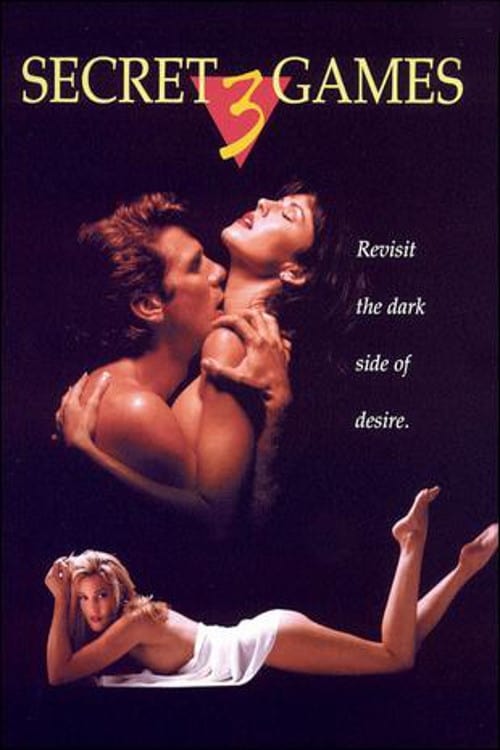
Secret Games 3
1994
No user ratings available yet
Representation score: 1.3 out of 10

Representation Score
Limited
1993
RDirector
John Stewart
Runtime
92 minutes
Average Rating
No ratings yetNew Showbiz Analysis
Hidden Obsession is a conventional 1990s psychological thriller that prioritizes genre clichés over social commentary. It follows a predictable structure centered on a singular female protagonist facing a male threat. The film fails to provide meaningful representation across most categories, relying instead on established archetypes. It functions as a standard genre piece without attempting to disrupt social hierarchies. Ultimately, the production reflects the era's tendency toward homogeneous casting and traditional narrative frameworks, offering little in the way of progressive or diverse perspectives.
Category Breakdown
The film does not include any LGBTQ+ characters or non-cisgender identities. The story centers around a female protagonist and a male antagonist, adhering to traditional gender roles.
A female TV anchorwoman has professional visibility and plays a significant role in the story. However, the plot revolves around the 'woman in peril' cliché, where she faces danger due to a stalking narrative.
The film does not feature a diverse or non-Anglo-Saxon cast. It seems to follow the homogeneous casting standards typical of mid-1990s genre films.
The story operates within a standard Western framework focused on individual survival. It does not explore themes that challenge traditional institutions or offer systemic critiques.
There is no mention of neurodivergence or physical disabilities. Mental health issues are used as a plot device for villainy rather than being explored in depth.
Present on Screen
Limited or Absent
Official Synopsis
A divorced TV anchorwoman on vacation in her remote country home is stalked by a psycho who kills strippers.
1994

1978

1982

1973
1991

1987

2001

1971
No reviews yet. Be the first to share your thoughts on this movie!
Use the rating form above to leave a star rating and optional review.