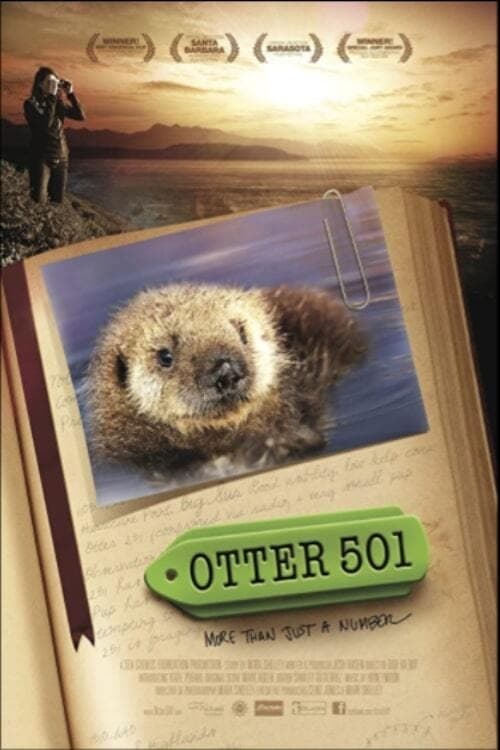
Otter 501
2012
No user ratings available yet
Representation score: 2.5 out of 10
Representation Score
Good
2024
Director
Charlie Hamilton James
Runtime
77 minutes
Average Rating
No ratings yetNew Showbiz Analysis
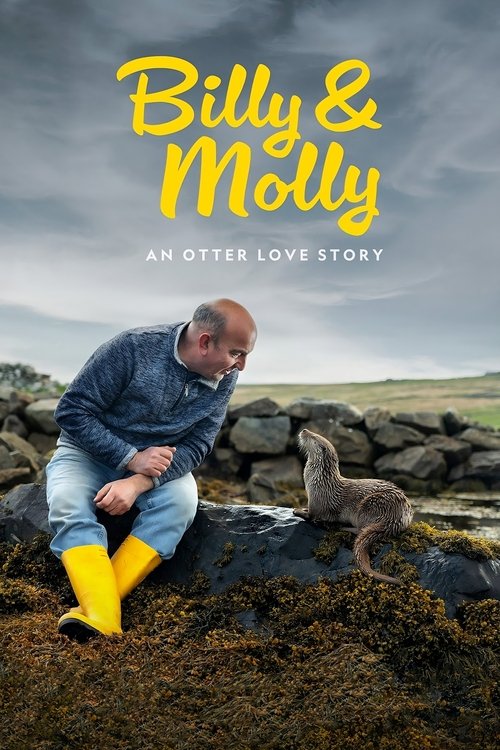
Billy & Molly: An Otter Love Story shifts the focus from human-centric storytelling to explore the connections between humans and animals. By highlighting the lives of non-human subjects, the film challenges anthropocentric views and redefines community to include the natural world. Since the main subjects are wildlife, the film operates outside typical human identity frameworks. It does not feature diverse human character arcs, maintaining a neutral stance on most social categories. Ultimately, the film's strength lies in its ecological perspective. It replaces traditional human narratives with a contemplative look at environmental stewardship and biological social dynamics.
Category Breakdown
The documentary does not include explicit LGBTQ+ characters or stories. It focuses on the natural behaviors of animals rather than human social identities.
The film highlights the biological roles of Billy and Molly, presenting a natural view of otter partnerships without delving into human gender hierarchies.
The human elements in the film reflect the local, homogeneous population of the Shetland Islands. There is no evidence of diverse racial casting within the community.
The narrative emphasizes environmentalism and conservation. It implicitly criticizes human impact on ecosystems by focusing on the sanctity of nature.
There is no specific depiction of human disability in the film. Instead, it focuses on the biological resilience and social interactions of the otters.
Present on Screen
Limited or Absent
Official Synopsis
A man forms an unlikely friendship with a wild otter while living in the remote Shetland Islands.
2012
2021

2003
2004
2018
2019
2022
2020
No reviews yet. Be the first to share your thoughts on this movie!
Use the rating form above to leave a star rating and optional review.