
Tumbleweeds
1999
No user ratings available yet
Diversity score: 2.4 out of 10
1994
RDirector
Mandie Fletcher
Runtime
91 minutes
Average Rating
No ratings yetSynopsis
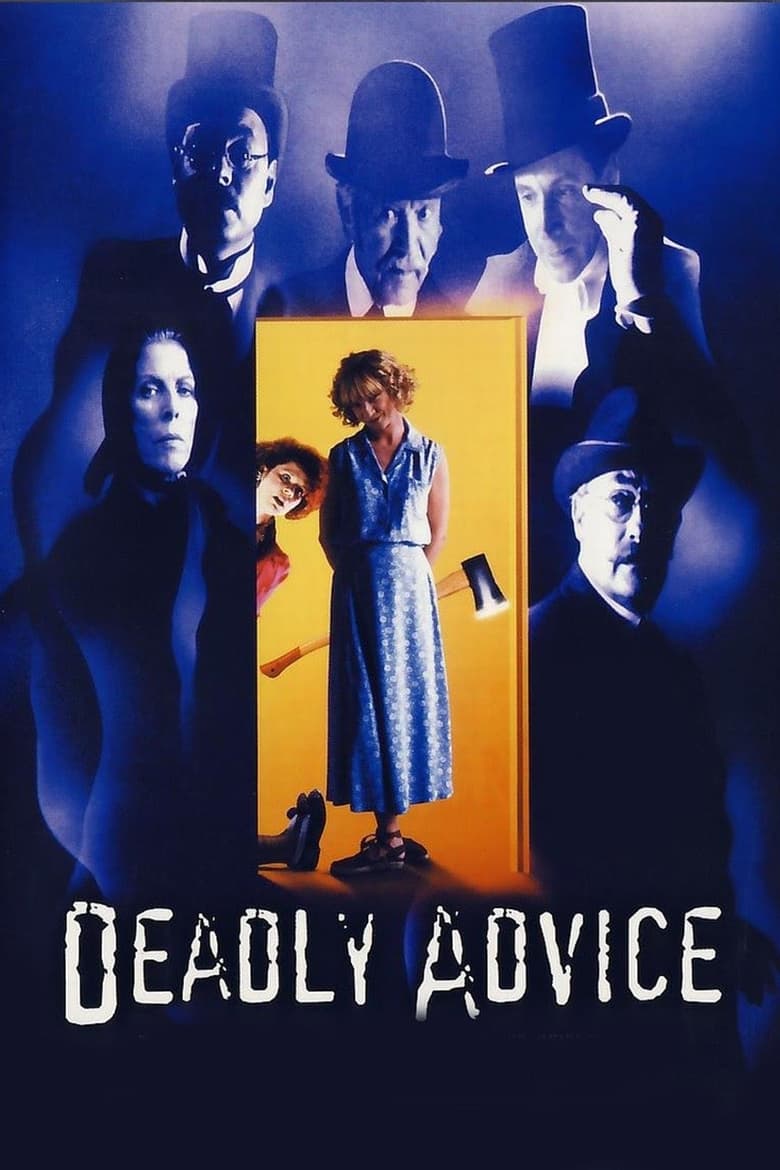
Mother rules the house with an iron hand and has such power over her daughters that they see themselves as becoming old unmarried, maids. Jodie has feelings for the local doctor, a man much older than her, for which her mother strongly disapproves. Beth finds a relationship with a male stripper in Bristol, but sees nothing in the future with Mother around. While both girls would like to be rid of Mother, nothing happens until Jodie sees images of H. R. Armstrong, the man who put the town on the map by dispatching his un-loving wife
Overall Score
Limited
Category Breakdown
LGBTQ+ Representation
The film lacks LGBTQ+ characters or non-cisnormative identities. Romantic interests follow traditional heteronormative structures, involving a local doctor and a male stripper.
Gender Representation
The matriarchal power dynamic subverts traditional domestic hierarchies by placing an authoritative woman in control. However, the daughters struggle with agency, feeling relegated to the status of maids.
Racial & Ethnic Diversity
There is no indication of a diverse or non-Anglo-Saxon cast. The setting suggests a traditional Western domestic drama without explicit mention of racial blending.
Religious & Cultural Diversity
The story critiques traditional family structures by portraying the mother as an oppressive force. It explores domestic dysfunction and moral relativism through dark, anti-social themes.
Disability Representation
The narrative contains no mention of characters with visible or invisible disabilities. There is no representation of neurodivergence or mental health conditions.
Strengths
Areas for Improvement
AI Analysis
Deadly Advice focuses on a narrow, traditional domestic conflict centered on a controlling matriarch. While it offers a slight subversion of gendered power by placing a woman in a position of absolute household authority, the scope remains limited. The film lacks intersectional depth, offering no representation for racial, LGBTQ+, or disability-related identities. The narrative appears rooted in a conventional Western framework that prioritizes familial dysfunction over broader social diversity. Ultimately, the film's strength lies in its disruption of the 'stable husband' archetype, but it fails to engage with a wide spectrum of human experience.
1999
1990
1972
1997
1993
1973
2011
2008
1970
1992
1986
1989
No reviews yet. Be the first to share your thoughts on this movie!
Use the rating form above to leave a star rating and optional review.