
Trapped by Boston Blackie
1948
No user ratings available yet
Representation score: 0.8 out of 10
Representation Score
Minimal
1935
Director
George Pearson
Runtime
67 minutes
Average Rating
No ratings yetNew Showbiz Analysis
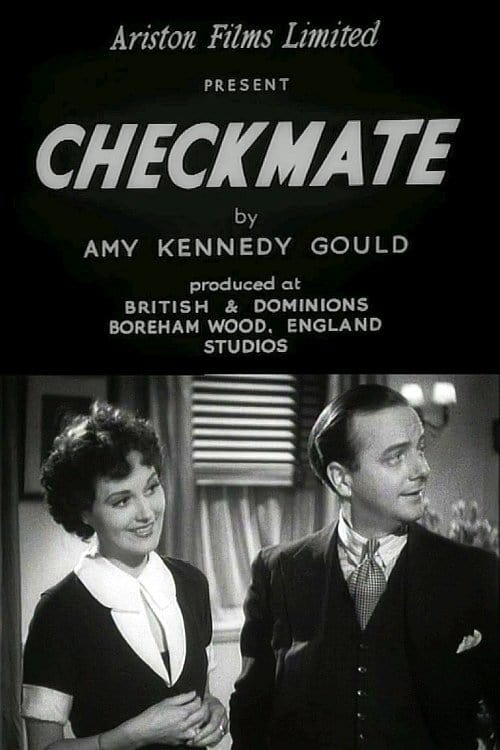
Checkmate is a product of the traditionalist 1930s studio era, functioning as a standard crime genre piece. It follows established cinematic patterns rather than attempting to challenge social hierarchies. The film lacks intentionality regarding diverse representation. It operates within the era's cultural constraints, focusing on a jewel thief gang and the police without expanding its social scope. Ultimately, the work serves as a period-typical crime procedural that reinforces the status quo of its time through its casting and narrative structure.
Category Breakdown
The film does not include any LGBTQ+ characters or narratives. It adheres to the standard social norms of 1930s crime cinema without challenging the assumption that everyone is straight or cisgender.
Female characters are portrayed in traditional roles such as victims or femme fatales. The narrative maintains a conventional gender hierarchy centered around male protagonists.
The casting reflects the homogeneity of mid-1930s Hollywood. The story centers on white protagonists and antagonists typical of urban crime procedurals of the era.
The plot focuses on the conflict between criminals and legal institutions. It reinforces law and order without offering an institutional or anti-capitalist critique.
There is no evidence of characters with visible or invisible disabilities. The film does not address disability within its narrative structure.
Present on Screen
Limited or Absent
Official Synopsis
A fence for a gang of jewel thieves comes under suspicion from the police.
1948
1937
1935
1935
1952
1937
1934
1943
No reviews yet. Be the first to share your thoughts on this movie!
Use the rating form above to leave a star rating and optional review.