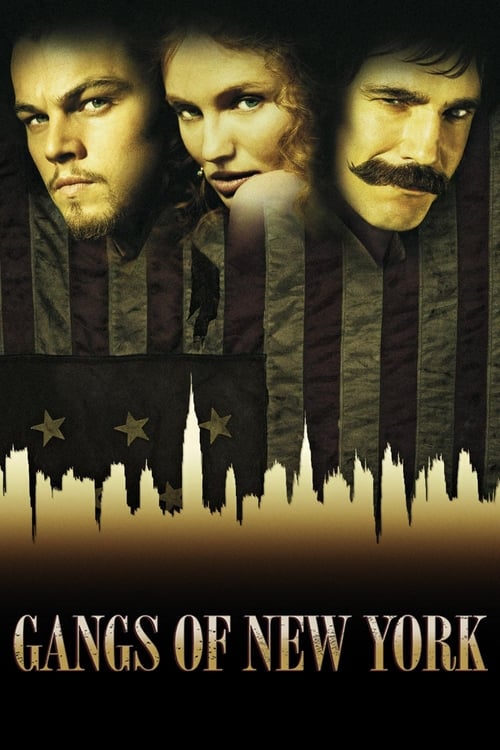
Gangs of New York
2002
No user ratings available yet
Diversity score: 6.2 out of 10
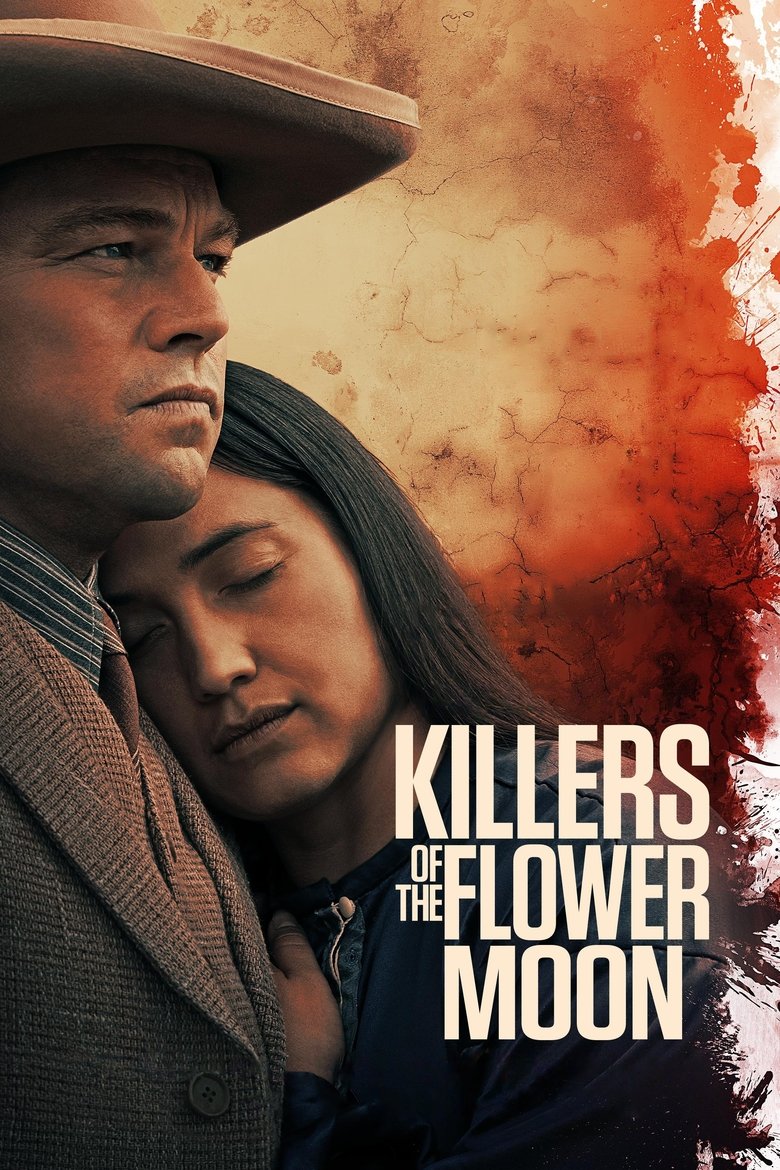
2023
RDirector
Martin Scorsese
Runtime
206 minutes
Average Rating
No ratings yetSynopsis
When oil is discovered in 1920s Oklahoma under Osage Nation land, the Osage people are murdered one by one—until the FBI steps in to unravel the mystery.
Overall Score
Good
Category Breakdown
LGBTQ+ Representation
The film focuses on heteronormative marital and familial bonds within 1920s Oklahoma. No LGBTQ+ identities or non-cisnormative gender expressions appear in the narrative.
Gender Representation
Mollie Kyle serves as the story's moral and emotional anchor, disrupting traditional hierarchies. The film critiques hyper-masculine violence by highlighting the predatory nature of the male conspirators.
Racial & Ethnic Diversity
The narrative centers the Osage Nation, shifting from a standard Western to an exploration of Indigenous sovereignty. It uses specific, culturally grounded representation to critique systemic exploitation.
Religious & Cultural Diversity
The film deconstructs the American Dream by showing how legal and religious institutions were weaponized. It frames the pursuit of oil wealth as a driver of systemic genocide.
Disability Representation
While the story explores physical and psychological trauma from violence, no characters have disabilities as a central identity marker. No specific disability representation is present.
Strengths
Areas for Improvement
AI Analysis
Killers of the Flower Moon succeeds by centering Indigenous agency and sovereignty rather than treating the Osage Nation as a mere backdrop. By prioritizing the Osage experience, the film moves beyond traditional frontier tropes to offer a sophisticated critique of settler-colonialism and systemic corruption. The film's strength lies in its refusal to romanticize historical institutions. It portrays the intersection of capitalism and law as a predatory force, using the theft of oil wealth to expose the mechanics of genocide. However, the narrative remains bound by the social structures of the 1920s, resulting in a lack of LGBTQ+ representation. While it provides a powerful counter-narrative to patriarchal violence through Mollie Kyle, it does not feature characters defined by disability.
No reviews yet. Be the first to share your thoughts on this movie!
Use the rating form above to leave a star rating and optional review.