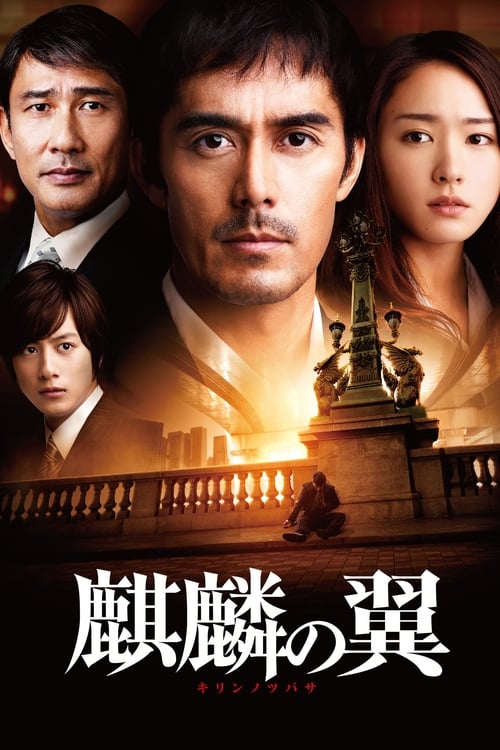
The Wings of the Kirin
2012
No user ratings available yet
Representation score: 3.9 out of 10
Representation Score
Fair
2022
Director
Hiroshi Nishitani
Runtime
130 minutes
Average Rating
No ratings yetNew Showbiz Analysis
Silent Parade operates as a conventional crime mystery that emphasizes procedural elements over exploring diverse identities. Its narrative strength lies in examining social dynamics and communal ethics, while maintaining a narrow focus on a specific cultural context. While the film showcases strong female leadership through Detective Kaoru Utsumi, it remains primarily centered on a homogeneous Japanese setting. The story lacks explicit representation of LGBTQ+ or disabled characters. Ultimately, the film provides a critical look at societal consensus and collective judgment, even as it avoids broader demographic representation.
Category Breakdown
The film does not include any explicit LGBTQ+ characters or stories about non-cisgender identities. The plot stays focused on a traditional crime investigation without showing any queer relationships or characters.
Detective Kaoru Utsumi demonstrates strong female leadership through her professional authority and intellect. The story also highlights the victimization of a female character, adding depth to the gendered narrative.
The film is set in a predominantly Japanese community with no evident multicultural character interactions or diverse casting. The mystery unfolds within a single cultural context.
The story critiques the harshness of communal morality and social exclusion. It delves into the conflict between personal truth and the collective judgment of a community.
There is no mention of characters with visible or invisible disabilities or neurodivergence in the narrative.
Present on Screen
Limited or Absent
Official Synopsis
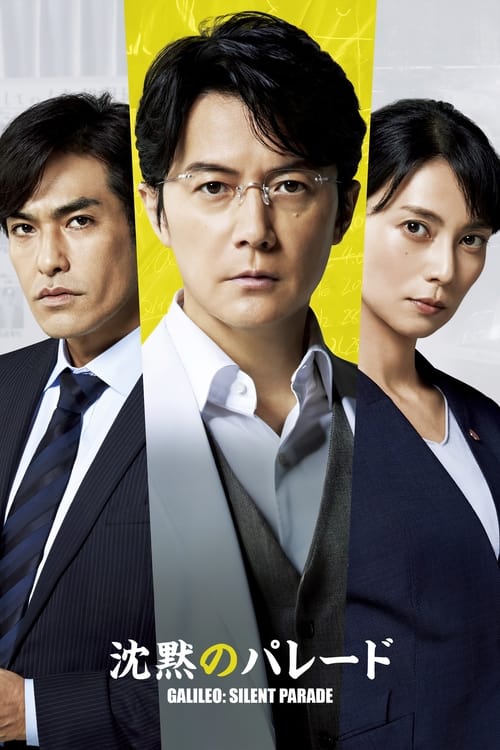
Physicist Manabu Yukawa returns to Japan from America. Detective Kaoru Utsumi visits him and talks about a case. The case is about a popular girl in a town who disappeared and, several years later, her body was found. A suspect was arrested for her murder. That suspect was previously arrested for another girl's murder, but he was released due to a lack of evidence. Detective Shunpei Kusanagi investigated the prior murder case. The same suspect was then released due to a lack of evidence for the most recent murder case. The released man returned to his town, where everybody hated him. On the day of the autumn festival parade, the man was killed. Physicist Manabu Yukawa, Detective Kaoru Utsumi and Detective Shunpei Kusanagi work together on his case.
2012
2008

2019

2016

2020
2011
2024
2021
No reviews yet. Be the first to share your thoughts on this movie!
Use the rating form above to leave a star rating and optional review.