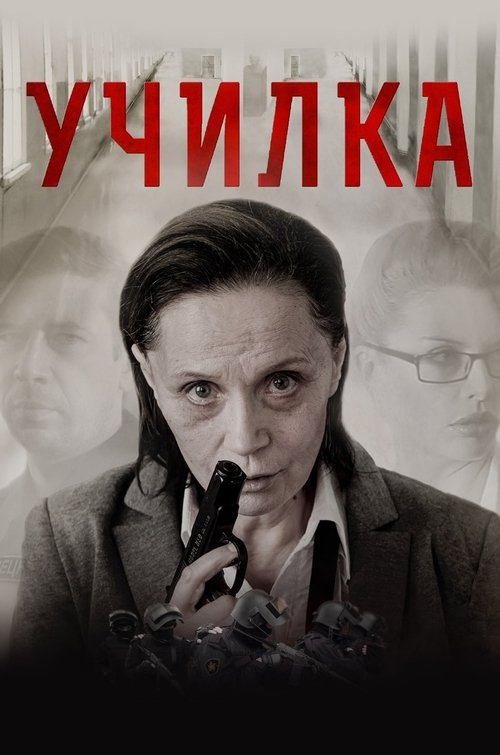
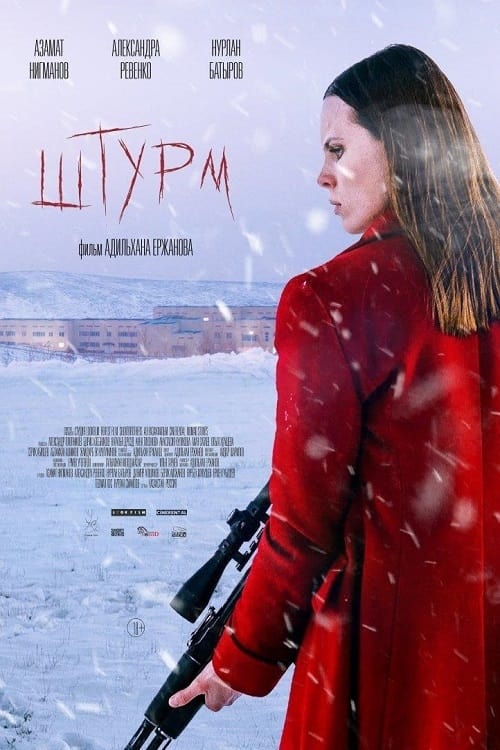
The Teacher
2015
No user ratings available yet
Representation score: 1.4 out of 10
Representation Score
Excellent
2022
Director
Adilkhan Yerzhanov
Runtime
90 minutes
Average Rating
No ratings yetNew Showbiz Analysis
The Assault stands out by replacing the typical heroic rescue scenario with a group of dysfunctional, underrepresented civilians. By focusing on social outliers rather than competent state actors, the film questions the reliability of institutional authority. While the film offers a nuanced critique of systemic failure, its representation of specific identity groups is limited. The narrative's strength lies in its subversion of traditional leadership roles rather than a broad spectrum of diverse identities. Ultimately, the film serves as a localized drama that empowers the 'failed' citizen to navigate a vacuum left by the state.
Category Breakdown
The film does not include explicit representations of LGBTQ+ identities or relationships outside of heterosexuality. The storyline centers on the immediate crisis rather than exploring identity-based character development.
The story challenges traditional gender roles by placing a woman, the ex-wife, in an active tactical position. She shares the spotlight with traditionally masculine figures.
Set in Karatas, the film showcases a localized, non-Western cast. It presents a non-Anglo-centric perspective by focusing the drama within a specific regional context.
The film questions Western-style institutional stability by depicting state authorities as ineffective. It highlights communal survival and situational ethics over established, centralized hierarchies.
Characters like the village idiot and alcoholic watchman hint at themes of neurodivergence and addiction. However, it is unclear if these roles provide true ability to act or merely serve as archetypes.
Present on Screen
Limited or Absent
Official Synopsis
Masked figures with machine guns march into the secondary school in Karatas, take the pupils hostage, and execute one of them. They make no demands. Silent terror is their modus operandi. Seeing as the army will take two days to arrive due to a snowstorm, maths teacher Tazshi decides to assemble his own assault team: his ex-wife, the gym teacher, the cowardly school principal, an alcoholic night watchman, the village idiot, and an incompetent chief of police.
2015
2008
2019
2019
2016
2003

2022
2006
No reviews yet. Be the first to share your thoughts on this movie!
Use the rating form above to leave a star rating and optional review.