The Passenger
2005
No user ratings available yet
Representation score: 4.0 out of 10
Representation Score
Limited
2003
Director
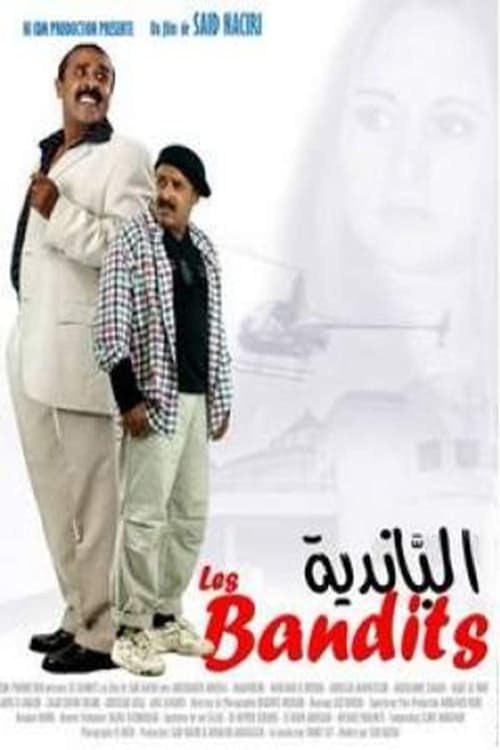
Saïd Naciri
Runtime
98 minutes
Average Rating
No ratings yetNew Showbiz Analysis
The film opens on a sun-bleached Moroccan landscape, establishing a world where the state is a distant, bureaucratic ghost and the land is the only honest authority. Saïd Naciri’s Hassan is not a hero in the Hollywood sense; he is a rugged, weathered man whose face maps the harshness of his environment. The camera treats his isolation with tragic dignity, refusing pity in favor of respect for his endurance. The sold meaning is clear: in a world where institutions fail, the individual must become their own protector. The narrative pivots on a wealthy Casablanca family’s grief, which triggers a servant’s journey to America to find a lost son. There, he discovers a startling look-alike in a poor neighborhood and begins an elaborate ploy to comfort the family. This deception is not a moral failing but a rational response to systemic abandonment. The film does not preach about corruption; it shows empty villages, lack of roads, and the indifference of officials. The pictures do the work of the argument, revealing that banditry is a necessary adaptation, not a crime. The ending is a moral verdict on survival. Hassan stands alone in the ruins of his former life, looking out over the desolate landscape. He is not rewarded with redemption or a return to society; he is rewarded with the acceptance of his exile. The "bandit" life is the only authentic existence left for him. The state, the true villain, never pays a price for its neglect; it simply exists as an indifferent force. The film’s argument is that in the face of institutional abandonment, self-reliance is the only virtue that remains.
Category Breakdown
No queer characters or same-sex intimacy appear. The narrative focuses exclusively on male survival and familial obligation, leaving LGBTQ+ themes entirely absent from the story.
Women are largely absent or confined to domestic roles within the wealthy Casablanca household. The narrative centers on male competence and endurance, treating traditional gender roles as the unmarked background.
The cast is entirely Moroccan, with indigenous faces driving the story. The film rejects colonial or outsider perspectives, grounding its realism in local dialects and rural physicality.
Traditional family structures and class hierarchies are depicted as rigid and painful. The state is shown as an indifferent force, while rural poverty is treated as a systemic failure rather than a moral choice.
No characters with disabilities are featured. Physical hardship is portrayed through labor and weathering, not impairment or medical diagnosis, leaving the category absent.
Present on Screen
Limited or Absent
Official Synopsis
After overwhelming grief hits a wealthy Casablanca family, a house servant travels to America to seek out their long lost son. He discovers a startling look-alike in a poor neighbourhood and begins an elaborate ploy to comfort the family.
2005

2006
2007

2013
2007

2002

2013
1984
No reviews yet. Be the first to share your thoughts on this movie!
Use the rating form above to leave a star rating and optional review.