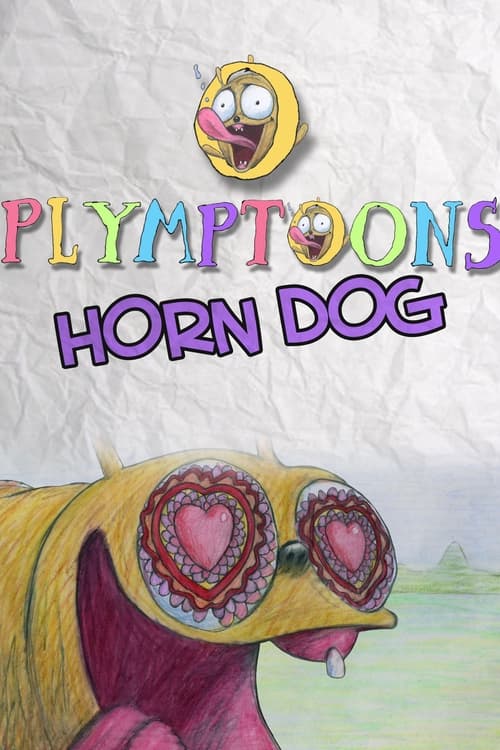
Horn Dog
2009
No user ratings available yet
Representation score: 4.3 out of 10

Representation Score
Limited
1992
Director
Seitarou Hara, Hiroshi Sasagawa
Runtime
33 minutes
Average Rating
No ratings yetNew Showbiz Analysis
Kennel Tokorozawa is a traditional genre piece that relies heavily on established comedic clichés from the early 1990s. The narrative prioritizes slapstick humor and character-driven frustration over social commentary. The production reflects the demographic and cultural homogeneity typical of its era and medium. It functions as a localized comedy rather than a work designed to drive progressive social discourse. Ultimately, the film lacks intentionality regarding diverse representation, focusing instead on the absurd relationship between a pet shop owner and her obsessive dog.
Category Breakdown
The story centers on a comedic, unrequited obsession between a dog and a human female. It does not include any explicit LGBTQ+ identities or critiques of the assumption that everyone is straight or cisgender.
Chika Tokorozawa avoids the submissive female cliché by remaining emotionally detached from the dog's antics. However, this indifference serves as a comedic device rather than a structural challenge to gender norms.
This 1992 Japanese production features a homogeneous cast. There is no indication of a multi-ethnic ensemble that challenges the demographic norms of its time.
The film adheres to ecchi comedy conventions, emphasizing slapstick and situational absurdity. It focuses on a localized pet shop setting rather than complex institutional critiques.
The primary character arcs do not depict any visible or invisible disabilities.
Present on Screen
Limited or Absent
Official Synopsis
Chika Tokorozawa, the daughter of a pet shop owner, seems unable to get away from her brave but stupid dog, Rin Tin Tin (played by famous Japanese comedian Jimmy Onishi). The dog seems to be in love with her owner to the point of obsession, but his dream of getting with the girl is thwarted over and over again by everyone and everything around him, including his very uninterested owner. Based on the ecchi comedy manga by Maki Ootsubo, originally published in Weekly Young Sunday.
2009

2014
1954
2011

1950
1993

1997
2011
No reviews yet. Be the first to share your thoughts on this movie!
Use the rating form above to leave a star rating and optional review.