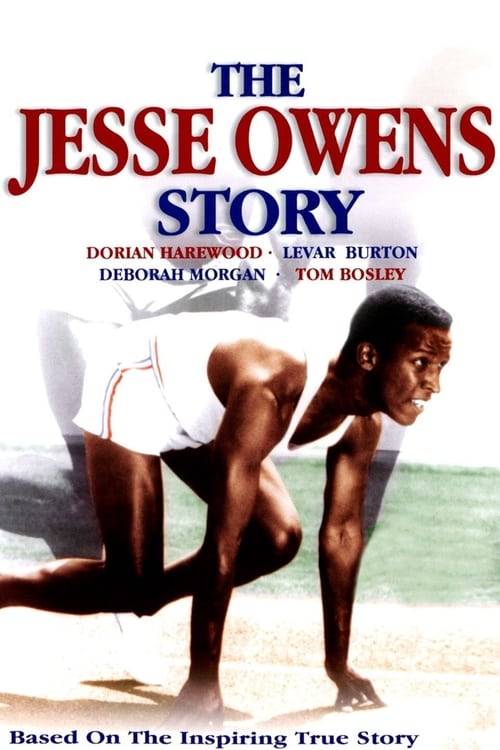
The Jesse Owens Story
1984
No user ratings available yet
Representation score: 3.1 out of 10
Representation Score
Limited
2009
Not RatedDirector
Davey Frankel, Rasselas Lakew
Runtime
92 minutes
Average Rating
No ratings yetNew Showbiz Analysis
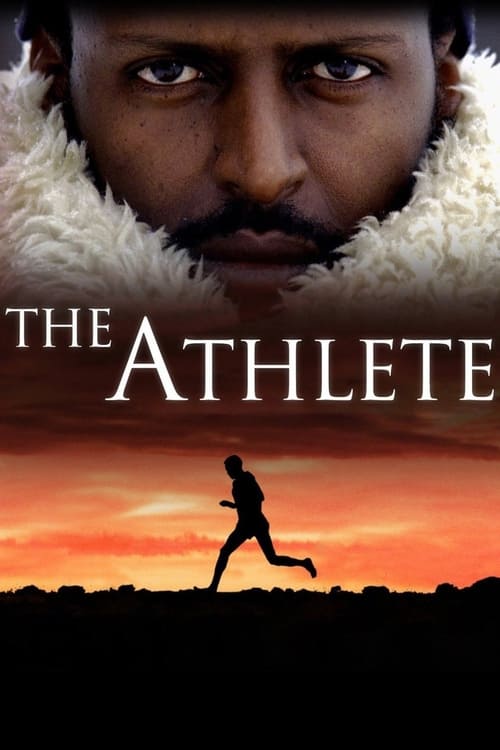
The film serves as a significant work of historical reclamation. By centering the narrative on an Ethiopian protagonist, it shifts the cinematic focus from the Western spectator to the African participant. While the film achieves excellence in racial and ethnic representation, it adheres to traditional, narrow frameworks regarding gender and sexuality. The story follows a singular, heroic male journey typical of the sports biopic genre. Ultimately, the film's strength lies in its ability to disrupt conventional historical sports cinema by placing an African subject at the absolute center of the frame.
Category Breakdown
The film follows a traditional biographical structure centered on Abebe Bikila. There are no queer narratives or characters with non-binary gender identities present in the story.
The narrative centers on a masculine hero cliché, emphasizing male perseverance and strength. It lacks evidence of women's ability to drive the story or the subversion of traditional gender roles.
The film excels by centering an Ethiopian man's rise to global recognition. This disrupts the Western-centric gaze often found in Olympic histories by providing actively leading African representation.
The story explores East African identity and socioeconomic realities. It challenges Western dominance by showcasing an African triumph achieved through non-traditional means like running barefoot.
There is no documented evidence regarding the portrayal of visible or invisible disabilities. The focus remains strictly on athletic capability and physical conditioning.
Present on Screen
Limited or Absent
Official Synopsis
Running the streets of Rome in 1960, an unknown, barefooted Ethiopian man stunned the world by winning Olympic gold in the marathon. Overnight, Abebe Bikila became a sports legend. A hero in his own country and to the continent, Bikila was the first African to win a gold medal, and four years later in Tokyo would become the first person in history to win consecutive Olympic gold medals in the marathon.
1984
2010
2005
2016

2021

2023

2018

2017
No reviews yet. Be the first to share your thoughts on this movie!
Use the rating form above to leave a star rating and optional review.