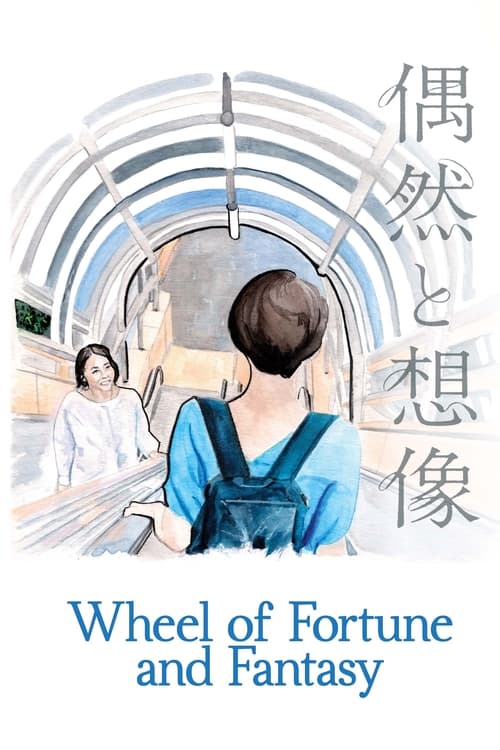
Wheel of Fortune and Fantasy
2021
No user ratings available yet
Representation score: 7.6 out of 10

Representation Score
Good
2015
Not RatedDirector
Ryusuke Hamaguchi
Runtime
317 minutes
Average Rating
No ratings yetNew Showbiz Analysis
Happy Hour is a sophisticated character study that centers on the internal lives of women. It successfully disrupts traditional gender hierarchies by emphasizing women's ability to drive the story and the deconstruction of social performance. However, the film lacks broad representation of LGBTQ+ identities or ethnic diversity. The narrative remains within conventional social frameworks, offering limited perspectives that reflect multiple aspects of identity. Ultimately, the film's strength lies in its moral subjectivity, challenging institutional morality and traditional roles.
Category Breakdown
The story focuses on heterosexual marriage and domestic life in Tokyo. It does not include explicit depictions of non-binary gender identities or queer perspectives.
The film emphasizes women's intellectual and emotional lives, challenging traditional gender roles. It explores the fragmentation and dissatisfaction within domestic settings.
The cast is primarily Japanese, reflecting a localized production. It maintains a standard consistent with its specific geographic and cultural context.
The narrative critiques rigid Japanese social structures and the performative nature of marriage. It favors subjective truth over established familial or social authority.
There is no prominent depiction of physical or neurodivergent disabilities. Emotional distress is explored through interpersonal conflict rather than specific disability narratives.
Present on Screen
Limited or Absent
Official Synopsis
Four women in their thirties reevaluate their relationships, both shared and private, after a startling revelation concerning one's marriage forces each of them to ask one of life's biggest questions: "Am I who I want to be?"
2021

2020

2020

2017
2014

2023

2019

2017
No reviews yet. Be the first to share your thoughts on this movie!
Use the rating form above to leave a star rating and optional review.