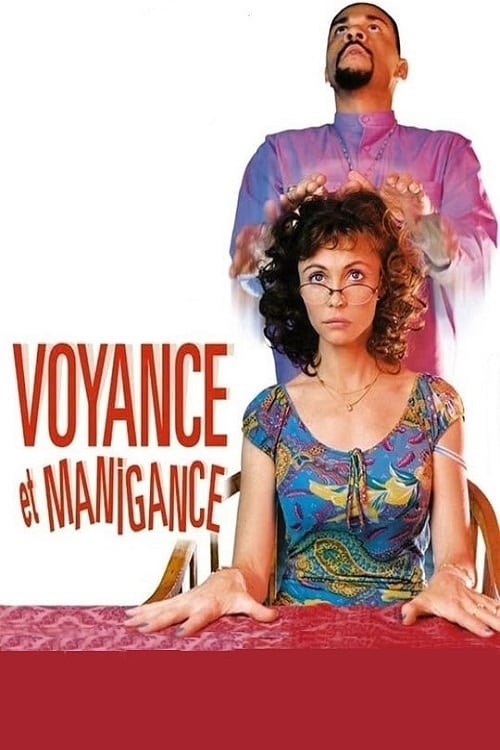
Fortune Tellers and Misfortune
2001
No user ratings available yet
Representation score: 2.5 out of 10
Representation Score
Limited
2006
Not RatedDirector
Didier Bourdon, Yves Fajnberg
Runtime
90 minutes
Average Rating
No ratings yetNew Showbiz Analysis
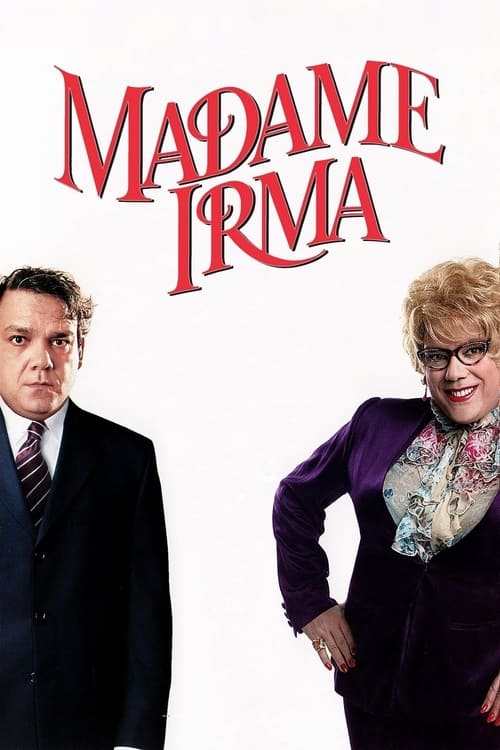
Madame Irma is a conventional character comedy that prioritizes situational humor over social critique. The narrative uses gender-bending as a comedic device rather than a tool for exploring identity or disrupting hierarchies. The film lacks depth in representing diverse identities, focusing instead on a middle-class man's personal deception to survive unemployment. The social environment appears homogeneous, offering little representation of diverse racial or ethnic backgrounds. Ultimately, the film functions as a localized character study. It relies on traditional domestic roles and lacks the systemic narrative subversion required for a more progressive diversity profile.
Category Breakdown
The story centers around a heterosexual couple facing a domestic crisis. There are no queer characters or narratives exploring LGBTQ+ identities.
The male protagonist adopts a female persona to navigate a professional crisis. While this involves gender performance, his wife remains in a traditional domestic role.
The film appears to center on a white, middle-class protagonist. The narrative suggests a homogeneous social environment typical of mainstream mid-2000s European comedies.
The plot explores economic instability and capitalist volatility through a man's performative spirituality. It lacks a broader anti-institutional or diverse cultural framework.
There are no visible or invisible disabilities central to the plot or character arcs.
Present on Screen
Limited or Absent
Official Synopsis
Francis, who is in his forties, manages the French subsidiary of an American high-tech company. But the shareholders suddenly decide to close it. Depressed by the idea of being unemployed and the prospect of losing his second wife, Francis decides to consult a fortune-teller. The experience is a real eye-opener for him and the start of a new career: He pretends to be a fortune teller himself and turns into Madame Irma. How to explain that to his wife Clotilde?
2001
1997
2021

2006
1983
2015
2007

2016
No reviews yet. Be the first to share your thoughts on this movie!
Use the rating form above to leave a star rating and optional review.