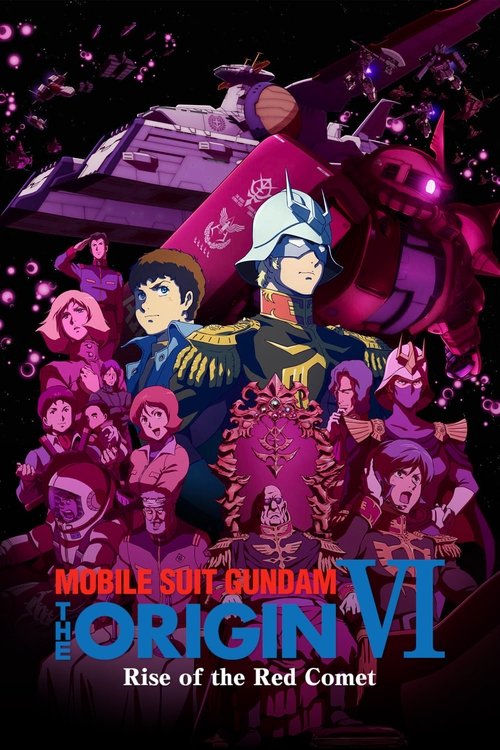
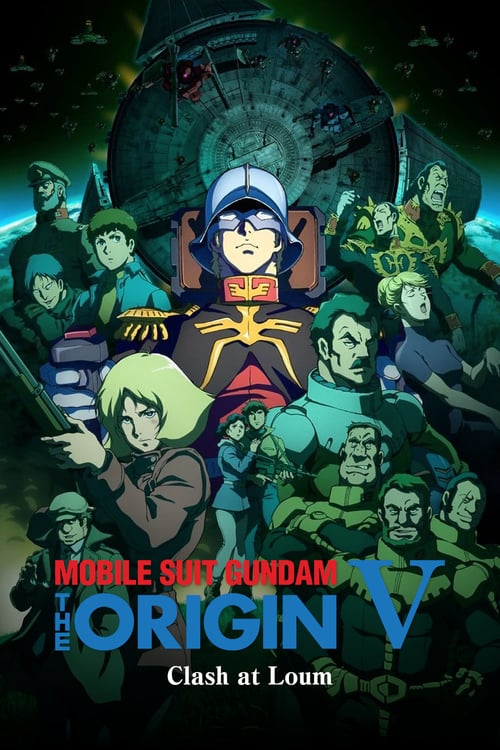
Mobile Suit Gundam: The Origin VI – Rise of the Red Comet
2018
No user ratings available yet
Representation score: 7.0 out of 10
Representation Score
Good
2017
TV-14Director
Yoshikazu Yasuhiko, Takashi Imanishi
Runtime
84 minutes
Average Rating
No ratings yetNew Showbiz Analysis
The film is a sophisticated narrative that prioritizes systemic critique over individualistic clichés. It challenges the legitimacy of political hierarchies and uses identity as a catalyst for change. However, the work remains constrained by traditional genre conventions. The emphasis on military utility and masculine leadership roles limits its representation of gender and disability. Ultimately, the film's commitment to inclusion is evident in its exploration of post-colonial themes. It goes beyond simple hero-villain archetypes to examine the dehumanization inherent in state-driven military machinery.
Category Breakdown
The film focuses on large-scale political conflicts and military engagements without explicitly depicting non-straight or non-cisgender identities or intimate relationships. It follows the conventions typical of military science fiction.
Male pilots and political leaders have significant control over the plot. While Sayla Mass is important, female characters often respond to geopolitical changes driven by male protagonists.
The conflict between Spacenoids and the Earth Federation serves as a metaphor for post-colonial struggles. The cast reflects a diverse, multi-colonial human population rather than a uniform society.
The film effectively critiques traditional moral binaries and centralized power. It portrays the Earth Federation and the Zabi family as corrupt and oppressive systems.
The film minimally addresses visible or invisible disabilities. Characters are defined by their military usefulness and psychological resilience rather than by neurodivergence or physical impairments.
Present on Screen
Limited or Absent
Official Synopsis
Universal Century 0079. Humanity has turned even space itself into a battlefield, and the Principality of Zeon forces advance after wiping out half the world's population by carrying out the Operation British (colony drop). In response, the Earth Federation Forces mobilize their overwhelming fighting strength to regain the advantage. The complex intrigues of the Zabi family... Sayla Mass, as she contends with the whims of fate... Hamon and Ramba Ral, who is now a pilot in the Zeon forces... Amuro and Fraw, leading peaceful lives at Side 7... a dark shadow falls across them all. And the Zeon ace Char Aznable, driven by revenge, goes into action as the "Battle of Loum" finally begins.
2018
1981
2006
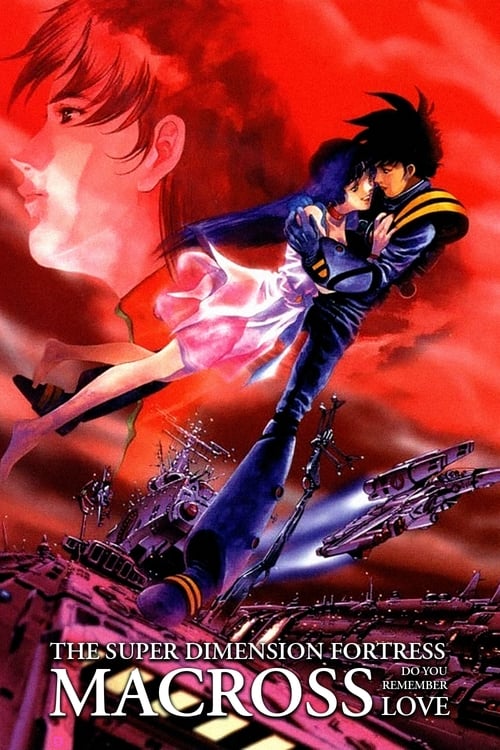
1984
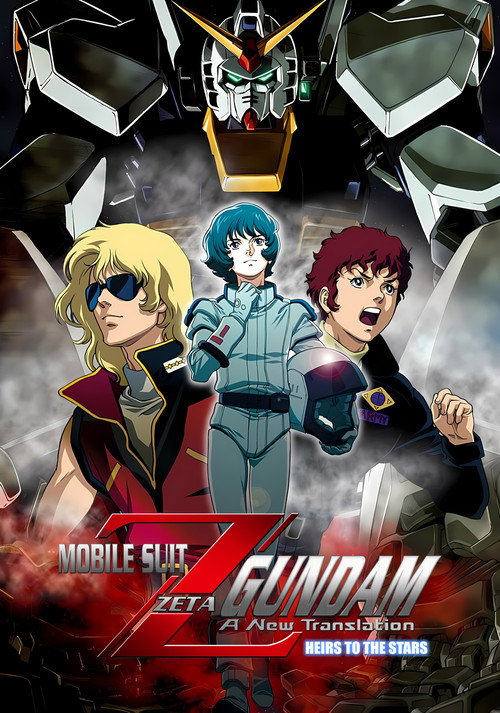
2005
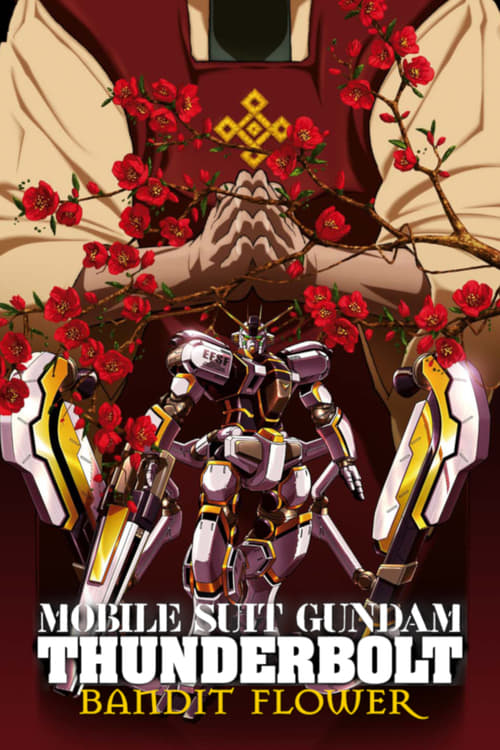
2017
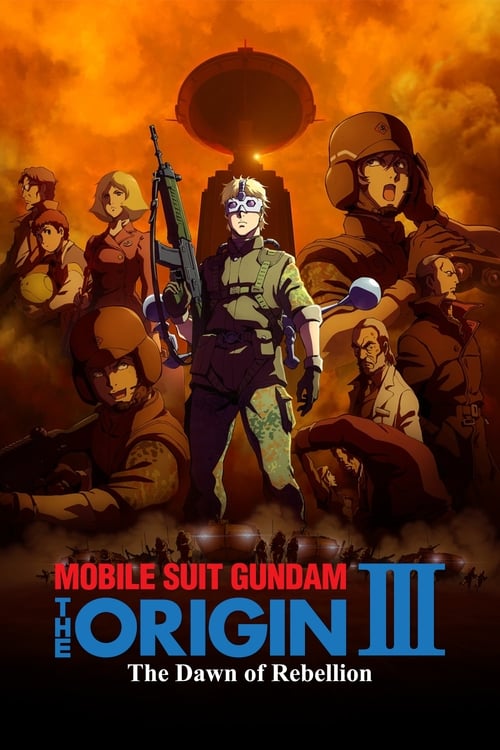
2016
2015
No reviews yet. Be the first to share your thoughts on this movie!
Use the rating form above to leave a star rating and optional review.