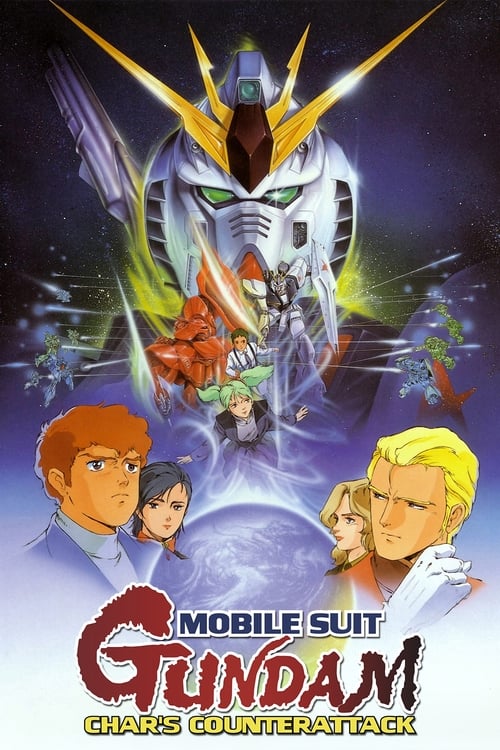
Mobile Suit Gundam: Char's Counterattack
1988
No user ratings available yet
Representation score: 5.2 out of 10
Representation Score
Good
2015
TV-14Director
Yoshikazu Yasuhiko, Takashi Imanishi
Runtime
58 minutes
Average Rating
No ratings yetNew Showbiz Analysis
The film excels at deconstructing traditional war clichés through complex, morally ambiguous character studies. It moves beyond simple hero narratives to explore systemic conflict and the corruption of established globalist structures. While the work lacks explicit LGBTQ+ or disability-centric representation, it provides a rich post-colonialist subtext. The struggle for colonial independence serves as a powerful metaphor for underrepresented groups fighting against entrenched imperial authority. Ultimately, the narrative's strength lies in its critique of institutional power and its embrace of moral relativism, elevating it above standard science fiction fare.
Category Breakdown
The story focuses on the political and familial struggles of the Deikun and Zabi lineages. There is no explicit depiction of non-straight or non-cisgender identities or same-sex relationships. Character dynamics remain centered on traditional romantic structures.
Artesia demonstrates a significant role in driving the story, navigating a volatile, male-dominated political landscape. The narrative emphasizes her intellectual and emotional resilience. She effectively challenges the common 'damsel in distress' cliché found in traditional war epics.
The sci-fi setting moves away from traditional Earth-based ethnic markers. Instead, the narrative uses the 'Space Colony' identity as a metaphor for underrepresented populations. This depicts the tension between Earth dominance and colonial sovereignty.
The film offers a sophisticated critique of centralized, imperialist institutions. It frames the Earth Federation as an oppressive force. The story prioritizes moral relativism over singular moral absolutes.
There is minimal focus on visible or invisible disabilities. Characters are primarily defined by their political affiliations and familial legacies. The narrative does not explore neurodivergence or physical impairments.
Present on Screen
Limited or Absent
Official Synopsis
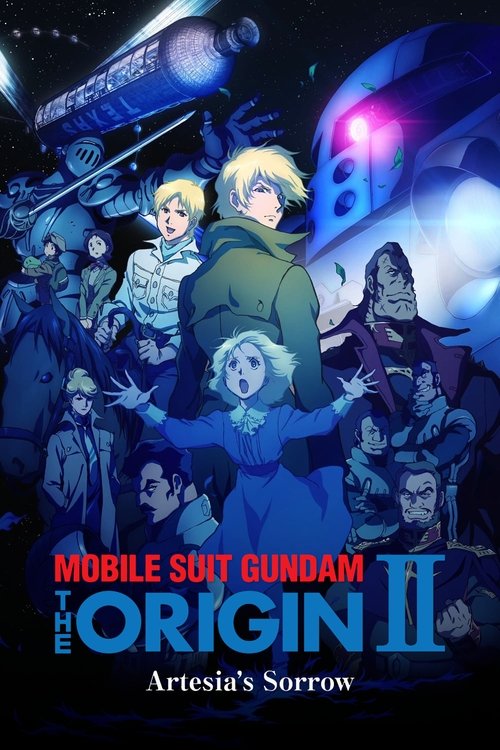
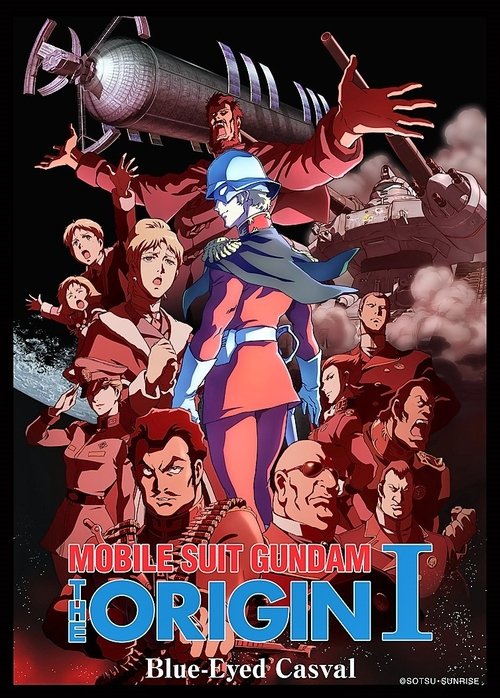
In the year UC 0071, three years after escaping the Zabi faction on an Ocean Cargo ship, Artesia and Casval are living happily in Andalusia, Spain, Earth under the identities of Sayla Mass and Éduoard Mass, respectively; masquerading as the children of Don Teabolo Mass, a long time friend of their father Zeon Zum Deikun.
1988
2021

2012
1984
2015

2025
2016
2018
No reviews yet. Be the first to share your thoughts on this movie!
Use the rating form above to leave a star rating and optional review.