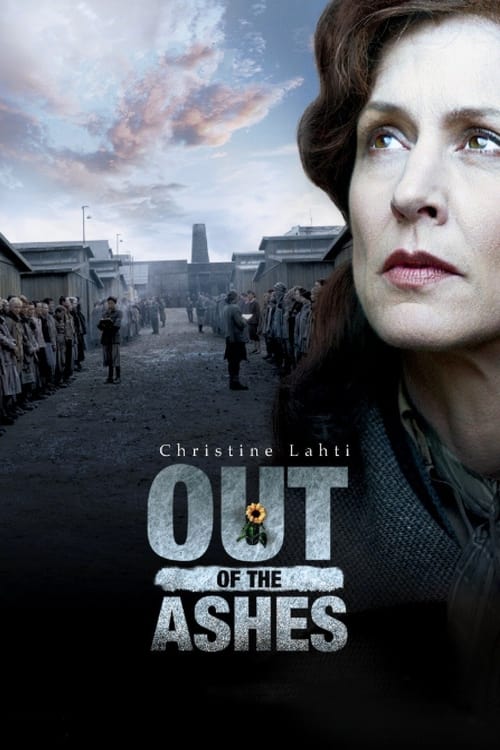
Out of the Ashes
2003
No user ratings available yet
Representation score: 5.2 out of 10
Representation Score
Fair
1992
PGDirector
Joseph Sargent
Runtime
100 minutes
Average Rating
No ratings yetNew Showbiz Analysis
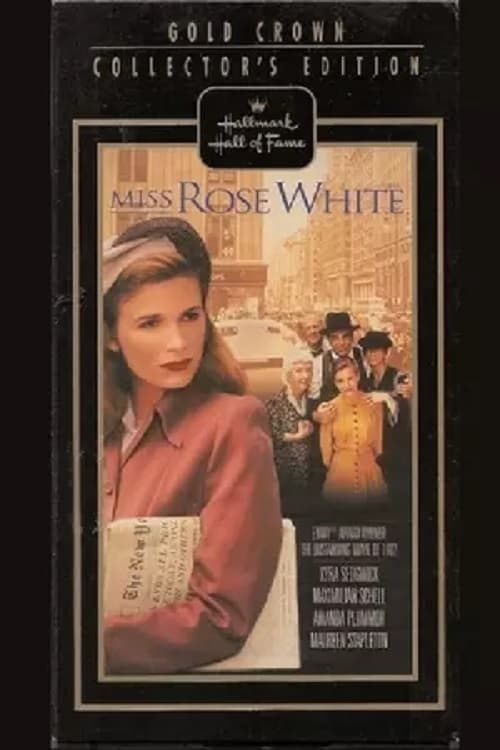
Miss Rose White is a character-driven historical drama that uses the reunion of two sisters to explore the divergent paths of post-war survival. By juxtaposing the trauma of a Holocaust survivor with the relative stability of an American immigrant, the film offers a nuanced critique of Western safety and the immigrant experience. While the film lacks modern identity-based markers like LGBTQ+ representation, it succeeds in centering women's ability to drive the story and examining the psychological scars of systemic oppression. It moves beyond simple historical retelling to explore how displacement and persecution shape identity.
Category Breakdown
The film does not include any LGBTQ+ characters or stories related to sexual orientation or gender identity. The plot revolves around family bonds and the impact of war.
The film emphasizes the role and emotional strength of women. It highlights the inner lives of the sisters, placing the female experience at the center of the drama.
The movie explores Polish heritage and the experiences of Eastern Europeans displaced by war. It avoids melting pot stereotypes by focusing on the fragmented identities shaped by systemic persecution.
The story questions the American Dream by comparing the harsh realities faced by survivors with the stability of Western life. It critiques systemic failures through the lens of the concentration camp experience.
The film addresses the hidden disability of psychological trauma and PTSD. The survivor's journey explores the long-term emotional impacts of systemic violence.
Present on Screen
Limited or Absent
Official Synopsis
Two sisters, one a Polish concentration camp survivor, the other safely relocated to America with her father, are reunited in New York in 1947.
2003

1989

1980

1999

2001

1952

1991

1959
No reviews yet. Be the first to share your thoughts on this movie!
Use the rating form above to leave a star rating and optional review.