
Defenseless
1991
No user ratings available yet
Representation score: 3.6 out of 10
Representation Score
Limited
1992
RDirector
John Dirlam
Runtime
95 minutes
Average Rating
No ratings yetNew Showbiz Analysis
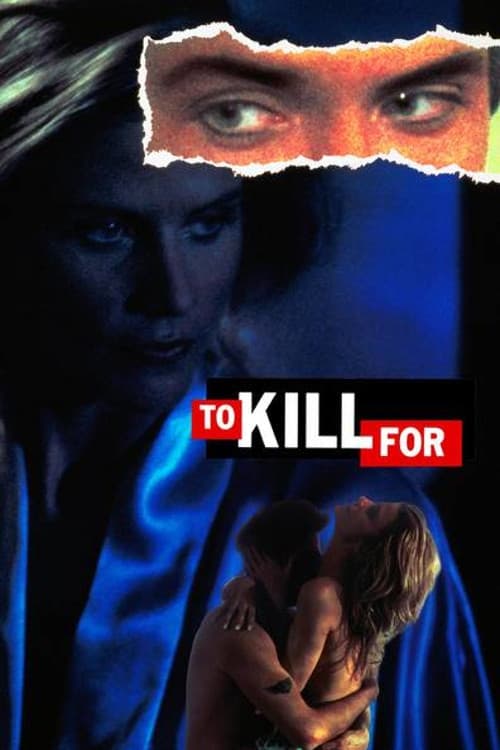
To Kill For is a conventional 1990s thriller that adheres to established demographic and narrative norms. It follows a standard mystery format without challenging social hierarchies or introducing layered perspectives. The film relies on traditional gender and social hierarchies, such as a male detective driving the plot and a female lead as a mysterious object of suspicion. This creates a predictable structure. Ultimately, the production lacks the intentionality needed for inclusive representation, presenting a homogeneous view of society typical for mainstream cinema of its era.
Category Breakdown
The film focuses on a traditional heterosexual relationship between a detective and a resort owner. It does not include any LGBTQ+ identities or challenge assumptions about heterosexuality.
The female lead has economic power as a resort owner but is portrayed as suspicious. The narrative is driven by a male protagonist who conducts the investigation.
The cast appears homogeneous, reflecting the casting norms of early 1990s American thrillers. There is no indication of a diverse or non-white majority cast.
The story follows traditional Western mystery structures focusing on individual guilt. It does not question Western institutions or provide systemic critiques.
There is no mention of characters with visible or invisible disabilities. The film does not address neurodivergence or physical disability.
Present on Screen
Limited or Absent
Official Synopsis
A homicide detective (Michael Madsen) falls for a resort owner (Laura Johnson) suspected of slaying a playboy developer.
1991

1985
2001
1994
1992
1994

1995
1971
No reviews yet. Be the first to share your thoughts on this movie!
Use the rating form above to leave a star rating and optional review.