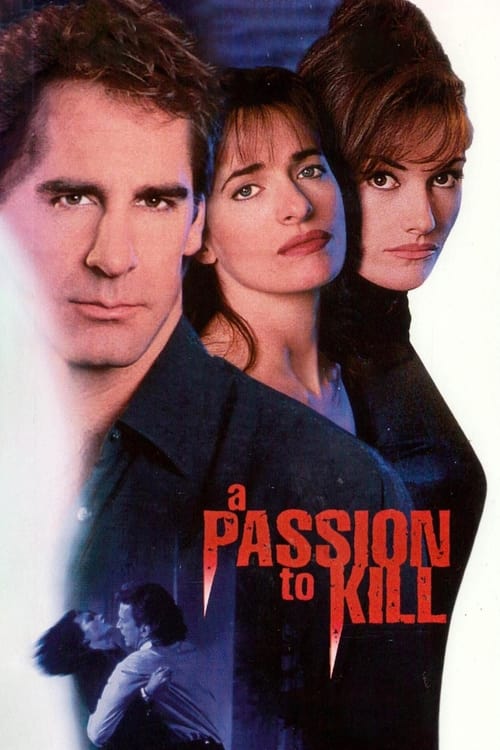
A Passion to Kill
1994
No user ratings available yet
Diversity score: 3.7 out of 10
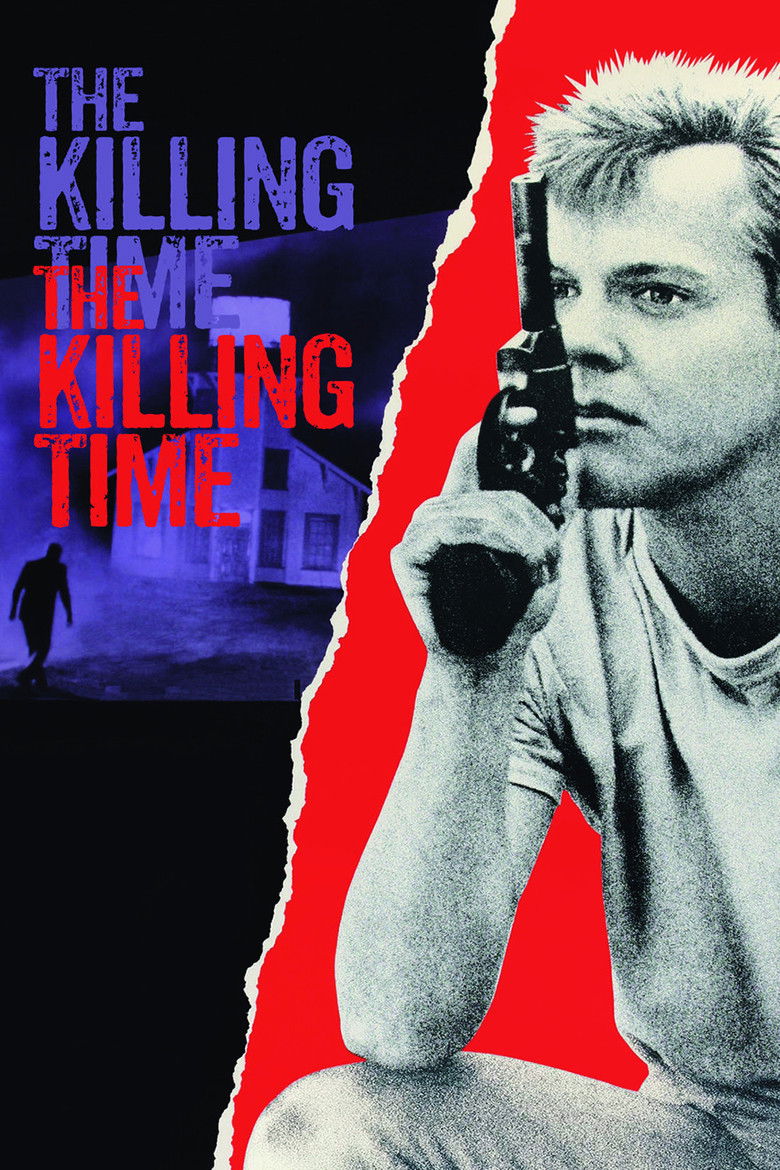
1987
RDirector
Rick King
Runtime
94 minutes
Average Rating
No ratings yetSynopsis
After a psychopath murders a man who was on his way to a job as a deputy sheriff in a small California town, he assumes the deputy's identity and arrives in town to start his new 'job'. What he doesn't know is that the recently appointed sheriff and his mistress are plotting to murder her evil husband—and blame it on the new deputy.
Overall Score
Limited
Category Breakdown
LGBTQ+ Representation
The film centers on heteronormative romantic and sexual dynamics. The primary conflict stems from an extramarital affair used as a traditional melodrama device. No LGBTQ+ characters or critiques of heteronormativity are present.
Gender Representation
Laura Winslow experiences extreme domestic violence and systemic oppression. While she seeks agency through a murder plot, the narrative relies heavily on victimhood tropes. Male characters maintain primary control over the plot mechanics.
Racial & Ethnic Diversity
The cast appears homogeneous, reflecting a typical 1980s small-town California setting. There is no evidence of significant racial blending or non-white majority casting to drive the narrative.
Religious & Cultural Diversity
The story explores subjective morality and situational ethics through a murder conspiracy. It prioritizes individual vengeance over religious or legal institutions but lacks a systemic critique of Western institutions.
Disability Representation
The narrative and cast show no evidence of characters with physical, sensory, or neurodivergent disabilities.
Strengths
Areas for Improvement
AI Analysis
The Killing Time operates as a standard 1980s thriller, leaning heavily on established genre tropes like the imposter and the conspiracy. The narrative architecture is built around traditional social hierarchies rather than attempting to disrupt them through intersectional storytelling. While the film touches on moral relativism and the corruption of individual authority figures, these elements serve the suspense of the thriller genre. The focus remains on individual survival and vengeance rather than progressive social commentary. Ultimately, the film reflects the conventional cinematic storytelling of its era, prioritizing genre-driven plot mechanics over diverse or representative character studies.
No reviews yet. Be the first to share your thoughts on this movie!
Use the rating form above to leave a star rating and optional review.