
Chastity Bites
2013
No user ratings available yet
Representation score: 4.9 out of 10
Representation Score
Fair
2026
RDirector
Jane Schoenbrun
Runtime
112 minutes
Average Rating
No ratings yetNew Showbiz Analysis
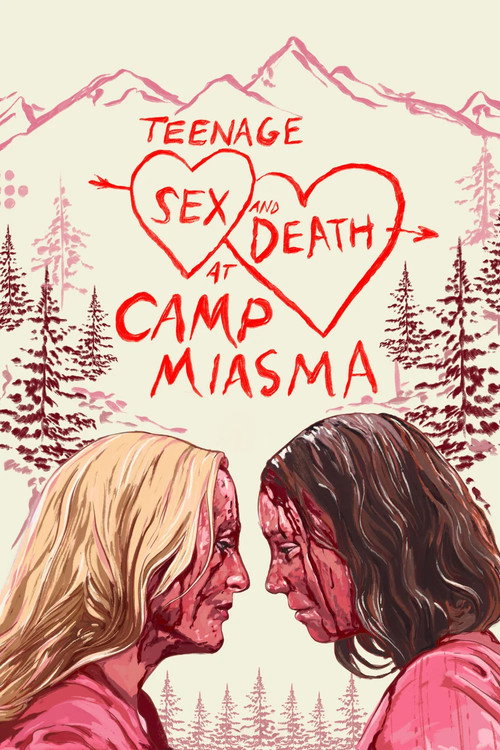
Teenage Sex and Death at Camp Miasma excels in queer and female representation, centering a lesbian relationship and female-driven narrative. Its meta-commentary on horror tropes adds cultural richness. However, the lack of racial and disability representation limits its overall diversity impact.
Category Breakdown
The film centers a lesbian relationship between its two female leads, with queer themes woven throughout. Keywords highlight polyamory and LGBT identity, making queerness integral to the narrative. This focus elevates LGBTQ+ representation to a leading role.
Women drive the story as a young director and a reclusive actress, placing female desire at the core. Their dynamic shapes the plot, offering a perspective rarely seen in slasher films. Female agency is central rather than peripheral.
The top-billed cast appears predominantly white, with no clear indication of characters of color. This limits the film’s racial diversity despite its strong queer and female-centered narrative. Broader casting could enhance its inclusivity.
The film satirizes horror franchises and critiques problematic cinema through meta-commentary. It reframes slasher tropes via desire and self-aware storytelling. This cultural lens adds depth to its genre conventions.
No characters with physical or mental disabilities are identified in the available material. This absence leaves a gap in representation, especially given the film’s focus on marginalized identities. Including disabled voices would strengthen its inclusivity.
Present on Screen
Limited or Absent
Official Synopsis
After years of slapdash sequels, the Camp Miasma franchise is handed over to an enthusiastic young director for resurrection. But when she visits the original’s star, a now-reclusive actress shrouded in mystery, the two women fall into a blood-soaked world of desire, fear, and delirium.
2013
2021

2019
2018

2021

2008
2014
2024
No reviews yet. Be the first to share your thoughts on this movie!
Use the rating form above to leave a star rating and optional review.