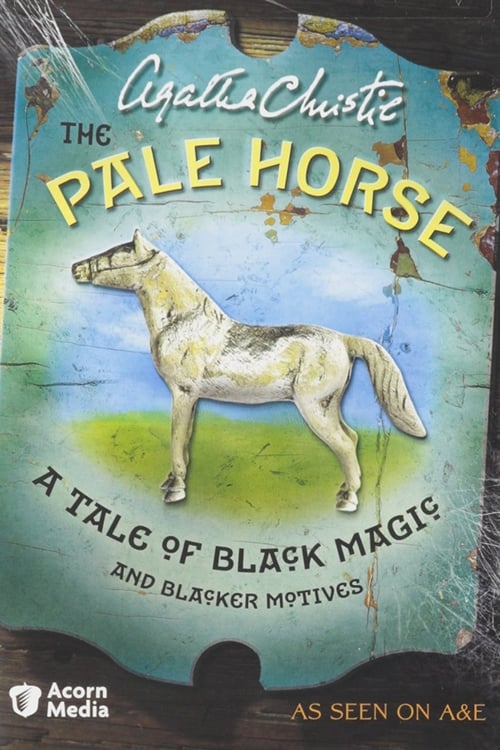
Agatha Christie's The Pale Horse
1997
No user ratings available yet
Representation score: 1.6 out of 10
Representation Score
Limited
1996
TV-14Director
Peter H. Hunt
Runtime
120 minutes
Average Rating
No ratings yetNew Showbiz Analysis
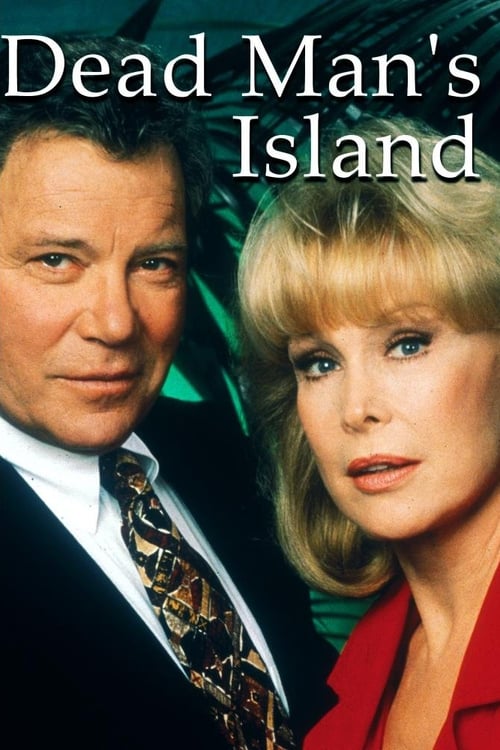
Dead Man's Island is a conventional mid-90s mystery-thriller that prioritizes genre clichés over identity-driven storytelling. While the female protagonist has professional influence, the narrative remains anchored in traditional social hierarchies and romantic dynamics. The film lacks complexity in reflecting multiple aspects of identity, presenting a homogeneous social environment through a predominantly white cast. It adheres to established cinematic norms of its era, focusing on individual suspense rather than exploring diverse cultural perspectives. Ultimately, the production functions as a standard genre piece that upholds traditional social and cultural frameworks.
Category Breakdown
The film follows traditional structures where everyone is assumed to be straight or cisgender. The central conflict revolves around a past romantic relationship between the protagonist and the male lead, without any indication of diverse gender identities.
Henrie O. demonstrates intellectual competence as a renowned journalist. However, her role remains tied to a past relationship with a male figure, maintaining a conventional gender hierarchy.
The production features a predominantly white cast typical of mid-90s thrillers. The setting and character types suggest a homogeneous social environment without significant racial diversity.
The narrative centers on a traditional capitalist framework focused on a wealthy businessman. It does not highlight non-traditional family structures or social critiques.
There are no visible or invisible disabilities integrated into the character arcs. The film does not address neurodivergence or physical disabilities as part of its themes.
Present on Screen
Limited or Absent
Official Synopsis
Henrietta O'Dwyer Collins, called Henrie O., is a world-famous journalist and writer. She's invited by her old lover Chase Prescott to his secluded island home. Chase, a wealthy businessman with money woes, hopes Henrie O. can discover the person he thinks is trying to kill him. It seems like she has her work cut out for her. Possible suspects include Chase's much younger wife, his son, and many others.
1997
1940
2008
1973
2023
1971

1973
1978
No reviews yet. Be the first to share your thoughts on this movie!
Use the rating form above to leave a star rating and optional review.