
HauntedWeen
1991
No user ratings available yet
Representation score: 3.9 out of 10
Representation Score
Limited
2012
NRDirector
Ronnie Khalil, Jorge Valdés-Iga, Monroe Mann
Runtime
83 minutes
Average Rating
No ratings yetNew Showbiz Analysis
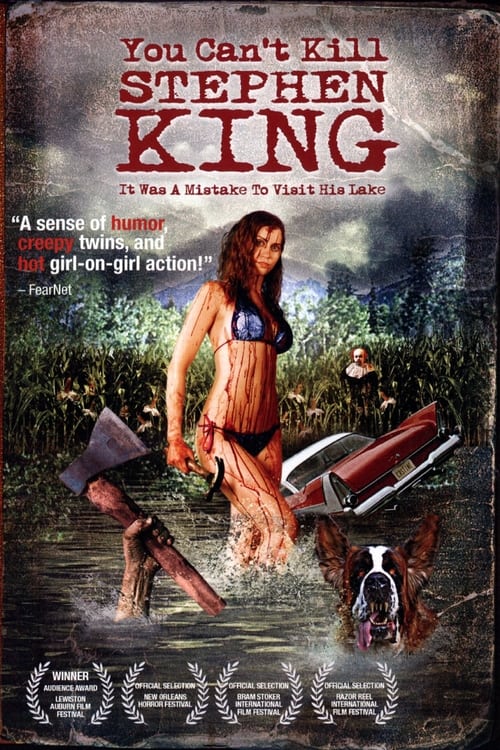
You Can't Kill Stephen King primarily functions as a genre-driven horror-comedy. The narrative structure relies on established clichés, such as a group of friends facing a localized threat, rather than intentional storytelling that reflects multiple aspects of identity. While the film includes both male and female protagonists, it does not appear to challenge traditional gender roles or social hierarchies. The central conflict between outsiders and locals remains centered on the horror premise rather than exploring deeper racial or cultural identities. Overall, the film adheres to conventional storytelling patterns. It lacks significant evidence of narrative subversion or diverse representation across most social categories.
Category Breakdown
The film does not feature explicit LGBTQ+ characters or narratives that question the assumption that everyone is straight or cisgender. The storyline revolves around typical horror-comedy clichés involving a group of friends.
The story includes both male and female protagonists, Hilary and Monroe. However, these characters seem to follow traditional genre roles rather than challenging gender hierarchies.
The plot focuses on a conflict between outsiders and locals. There is no specific information about the racial or ethnic makeup of the cast or the community.
The narrative uses the conventional cliché of outsiders versus community. It follows standard horror-comedy structures without prioritizing a critique of Western institutions or secularism.
There is no mention of characters with visible or invisible disabilities. No assessment of representation or ability to act can be made.
Present on Screen
Limited or Absent
Official Synopsis
Siblings Monroe (Monroe Mann) and Hilary (Crystal Arnette) have discovered that they have inherited a lake house and to make things even better, the famous horror author Stephen King is rumoured to live somewhere nearby. They decide to take their friends down to the lake house to check things out, only to find immediate resistance from all of the locals, who insist that King doesn't live in the area. Despite being completely unwelcome, they decide to stay and soon find that people are being killed one by one in a manner similar to several deaths in various Stephen King stories.
1991
2021
2010
2016
2004
2010
1993
2013
No reviews yet. Be the first to share your thoughts on this movie!
Use the rating form above to leave a star rating and optional review.