The Atheism Tapes
2004
No user ratings available yet
Representation score: 3.8 out of 10
Representation Score
Limited
2008
Director
Josh Timonen
Runtime
120 minutes
Average Rating
No ratings yetNew Showbiz Analysis
The documentary serves as a specialized intellectual critique rather than a broad social study. While it effectively challenges traditional religious authority, it does so from a narrow demographic perspective. This creates a tension between its progressive goals and its limited demographic inclusivity.
Category Breakdown
The film doesn't focus directly on LGBTQ+ identities, but it challenges religious beliefs that assume everyone is straight or cisgender. It also critiques institutions that oppose LGBTQ+ rights.
The panel consists only of male intellectuals, which means there are no women or diverse gender perspectives represented.
The film features a group of white, Western male intellectuals. There is no representation of different races or ethnicities in the theological critique.
The documentary emphasizes secularism and science, presenting a strong critique of Western religious institutions as sources of irrationality.
There is no representation of disabilities, visible or invisible, and the focus remains solely on the intellectual exchange among the four main subjects.
Present on Screen
Limited or Absent
Official Synopsis
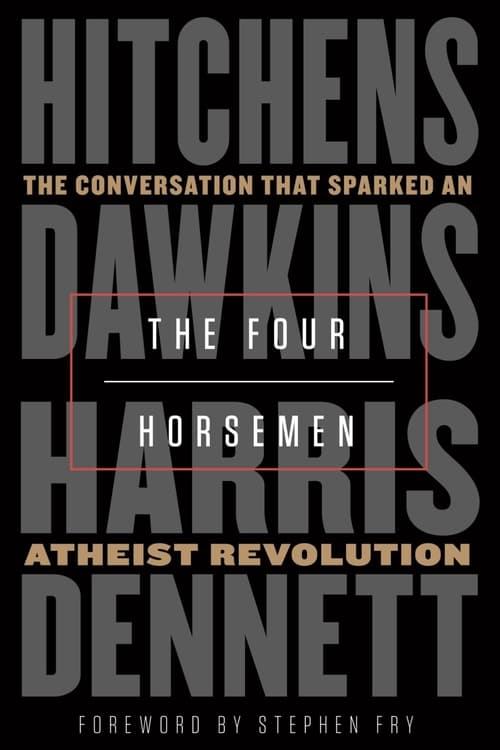
Richard Dawkins, Daniel Dennett, Sam Harris and Christopher Hitchens sits down for an unmoderated 2-hour discussion on religion.
2004

2013

2006

2018
2008

2016
2016

2022
No reviews yet. Be the first to share your thoughts on this movie!
Use the rating form above to leave a star rating and optional review.