
Reading, Writing & Romance
2013
No user ratings available yet
Diversity score: 3.8 out of 10
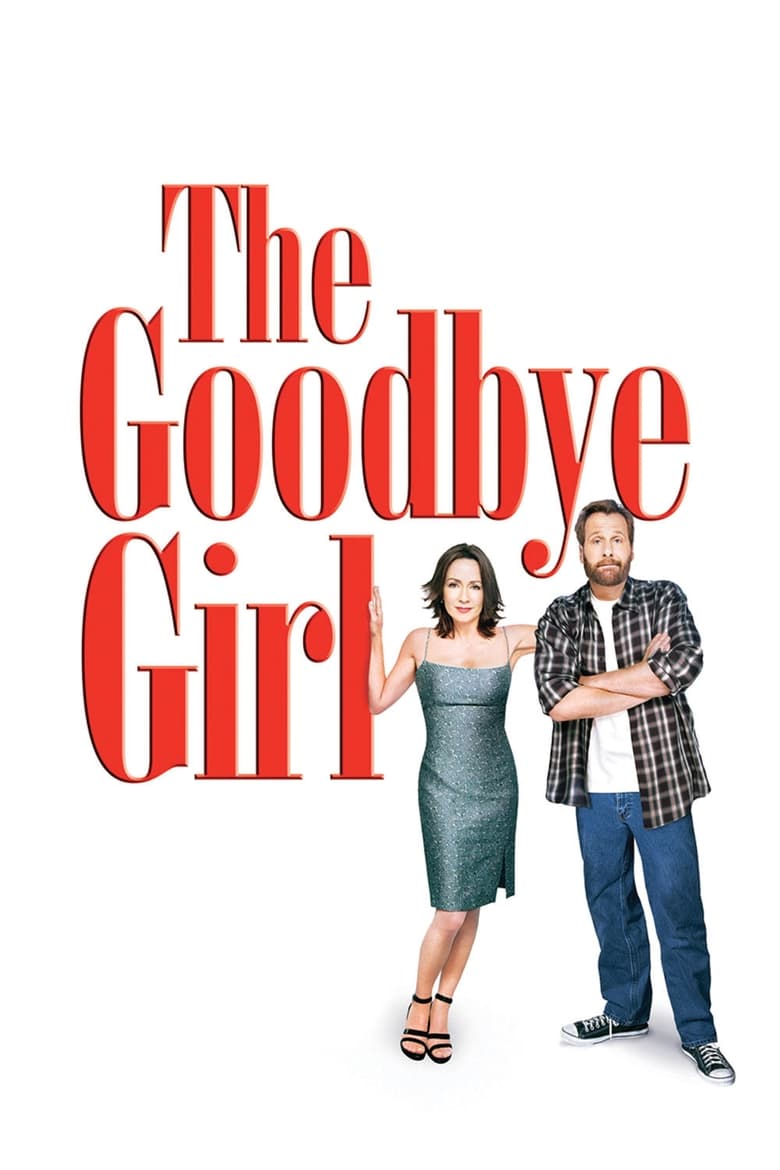
2004
Not RatedDirector
Richard Benjamin
Runtime
103 minutes
Average Rating
No ratings yetSynopsis
Musical dancer on the way out (at 36) Paula McFadden had it swell with actor Tony DeSanti, but instead of taking her to Hollywood he gets a European movie part. He even sublets their (his) New York apartment to Elliot Garfield, who generously lets her stay, even keeping the master bedroom. Pragmatic pre-teen daughter Lucy soon takes to his charm, but Paula remains determined to hate all actors. Despite the stress of a Broadway Shakespeare lead he must play too queer for Frisco, he's determined to snatch romance from ingratitude.
Overall Score
Fair
Category Breakdown
LGBTQ+ Representation
The film offers a brief meta-commentary on identity through a character's professional role described as 'too queer for Frisco.' However, no LGBTQ+ characters serve as central plot drivers or primary romantic interests.
Gender Representation
Paula McFadden provides a nuanced look at female agency as she navigates career shifts and personal betrayal. She resists traditional romantic tropes by maintaining a pragmatic skepticism toward the male leads.
Racial & Ethnic Diversity
The narrative focuses on a specific New York City social milieu that lacks evidence of a multi-ethnic cast. The primary character arcs do not suggest intersectional racial blending.
Religious & Cultural Diversity
The story explores urban realism and the complexities of non-traditional living arrangements. It avoids religious frameworks, focusing instead on secular, interpersonal conflicts and professional obligations.
Disability Representation
The provided material contains no evidence regarding the inclusion of characters with visible or invisible disabilities.
Strengths
Areas for Improvement
AI Analysis
The Goodbye Girl functions as a conventional romantic comedy that prioritizes individual interpersonal friction over systemic identity exploration. It succeeds in subverting some gendered expectations by centering on a female protagonist with significant agency and skepticism. However, the film lacks breadth in its representation of other marginalized groups. The narrative remains centered on a traditional Western social milieu, offering little in the way of racial or LGBTQ+ depth beyond a passing professional reference. Ultimately, the film's strength lies in its domestic realism and character-driven conflict, but it fails to engage with a diverse range of cultural or identity-based perspectives.
2013

2007

2012

2020

2011
1958
1994

1986
No reviews yet. Be the first to share your thoughts on this movie!
Use the rating form above to leave a star rating and optional review.