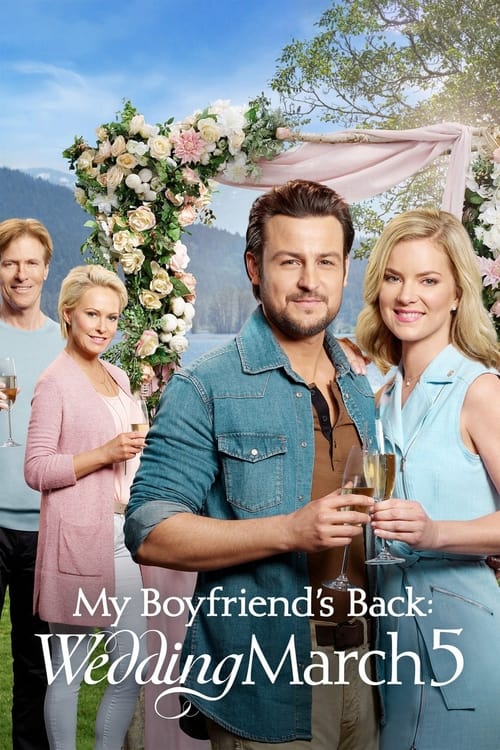
My Boyfriend's Back: Wedding March 5
2019
No user ratings available yet
Diversity score: 3.2 out of 10

2007
Director
Harvey Frost
Average Rating
No ratings yetSynopsis
Margaret and Martin Harper, both sixty years old, are filing for divorce, but plan to keep everything as civilized as possible. Complications arise when their respective attorneys, the equally cynical Emily Bennett and Kenton Rhodes, unexpectedly fall in love, throwing an extra kink into the proceedings both in and out of the courtroom.
Overall Score
Limited
Category Breakdown
LGBTQ+ Representation
The story centers on a heterosexual romance between two legal professionals. It lacks explicit representation of non-cisnormative identities or critiques of heteronormativity.
Gender Representation
Emily Bennett provides a sense of female agency as a professional attorney. However, the film follows standard professional depictions without subverting traditional gender hierarchies.
Racial & Ethnic Diversity
The narrative appears to focus on a homogeneous social setting. There is no indication of a diverse cast or non-Anglo-Saxon characters.
Religious & Cultural Diversity
The plot examines the dissolution of a marriage within a conventional framework. It focuses on interpersonal romance rather than systemic critiques of Western institutions.
Disability Representation
There is no evidence of characters with visible or invisible disabilities within the film.
Strengths
Areas for Improvement
AI Analysis
Love Is a Four Letter Word operates as a conventional romantic comedy that prioritizes traditional relationship dynamics. While it provides professional roles for women, it lacks the intersectional depth found in more progressive narratives. The film adheres to mid-2000s television tropes, focusing on a localized, homogeneous social environment. It avoids systemic deconstruction, opting instead for a civilized exploration of divorce and new romance. Ultimately, the work lacks diverse casting and fails to challenge established social or institutional structures, resulting in a narrow narrative scope.
2019
2020

2012
2008

2014
2017
2012

2004

2011

2011

2007

2009
No reviews yet. Be the first to share your thoughts on this movie!
Use the rating form above to leave a star rating and optional review.