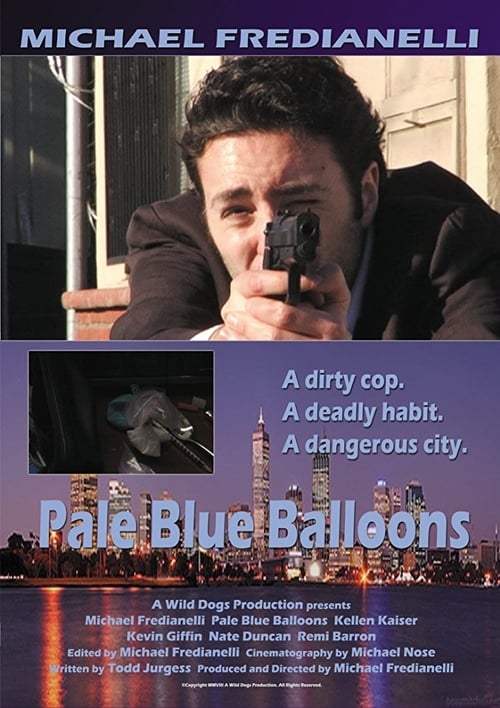
Pale Blue Balloons
2008
No user ratings available yet
Representation score: 0.8 out of 10
No Poster Available
Representation Score
Limited
2002
RDirector
Jim Bedford
Runtime
91 minutes
Average Rating
No ratings yetNew Showbiz Analysis
The Street King operates as a typical early-2000s crime drama, emphasizing grit and individualistic conflict. While it avoids sanitized depictions of American life by incorporating ethnic complexities and a morally ambiguous protagonist, it lacks intentionality in disrupting social hierarchies. The film's strength lies in its geographic and ethnic setting, which provides a more nuanced landscape than typical genre fare. However, the narrative remains tied to traditional masculine power struggles and heterosexuality.
Category Breakdown
The film focuses on straight relationships and does not include any characters with non-traditional gender identities or critiques of heterosexuality.
The story centers around masculine competition and family conflicts. Female characters are mainly portrayed as objects of seduction, reinforcing traditional gender roles.
Set in East L.A., the story involves Mexican criminal organizations and the Rojas gang, creating a multi-ethnic landscape that moves beyond homogenous, Anglo-centric crime narratives.
The plot prioritizes individual survival and material gain over communal or religious morality. It frames anti-social behavior through personal choice rather than a critique of Western institutions.
The provided material contains no mention of characters with visible or invisible disabilities. No assessment can be made regarding this category.
Present on Screen
Limited or Absent
Official Synopsis
In life, there's silver, and there's lead, says Rikki Ortega, as he moves to be king of the street in "Ánglio," L.A.'s east side. Older brothers and a brother-in-law are in his way. While they think they are driving out the Rojas, a local gang that runs the meth trade for bosses in Cabo San Lucas, Rikki is running an elaborate double-cross on his own family. He's not happy just to run this fratricidal con, he also wants to cash in as much as he can of one hundred kilos of crystal meth that he stole from the Rojas (and the Mexicans), seduce the girlfriend of one of his victims, and stay ahead of a cop who was a childhood friend. Will he end up with the silver?
2008

2013
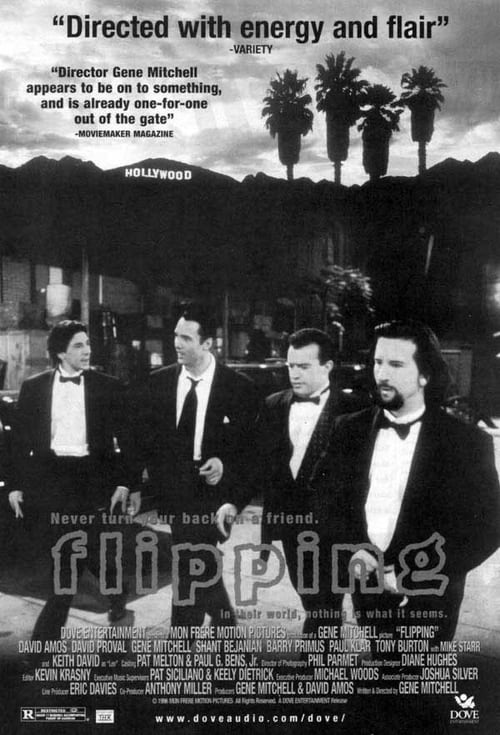
1997
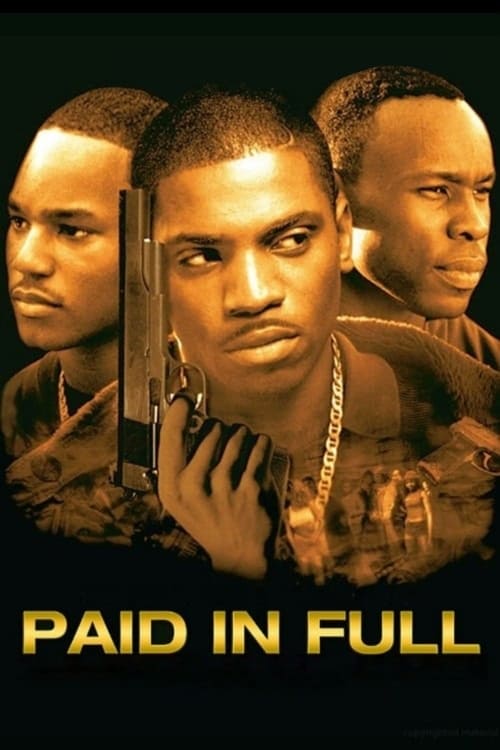
2002
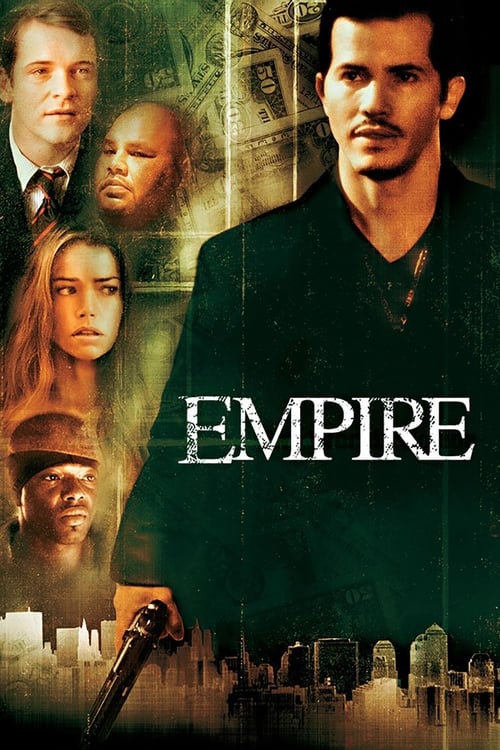
2002

2011
2004
1996
No reviews yet. Be the first to share your thoughts on this movie!
Use the rating form above to leave a star rating and optional review.